Portugal
Hi Everyone! We just returned from a 2-week trip to Portugal. As Portugal has recently become a more popular travel destination for Americans (and it has the highest growth rate of expats of any other country in the world), we will tell you as much as we can about our trip and the country.
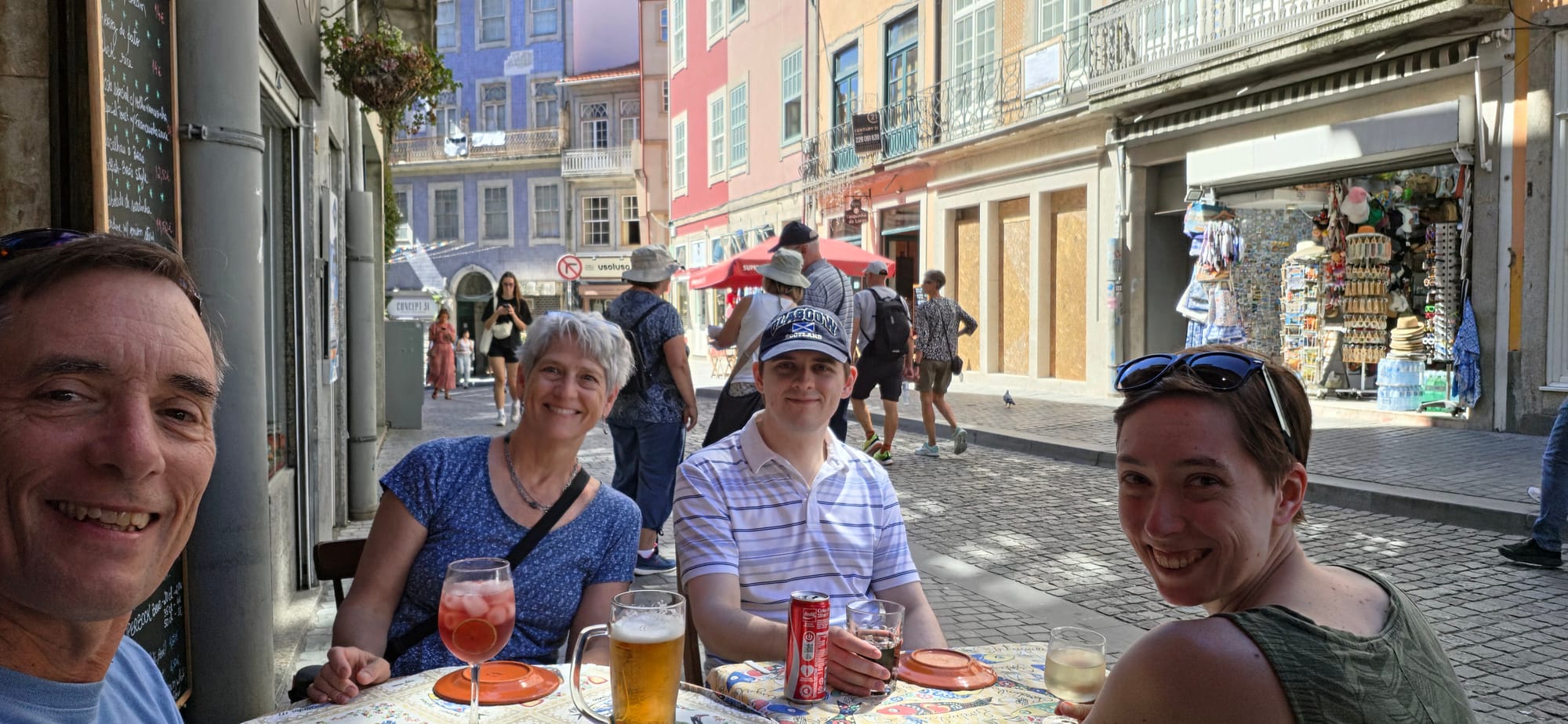
Our first pleasant surprise was how good the food and wine is! We weren't really thinking of this as a "foodie" trip, but we were looking forward to dinner every night to try something new.
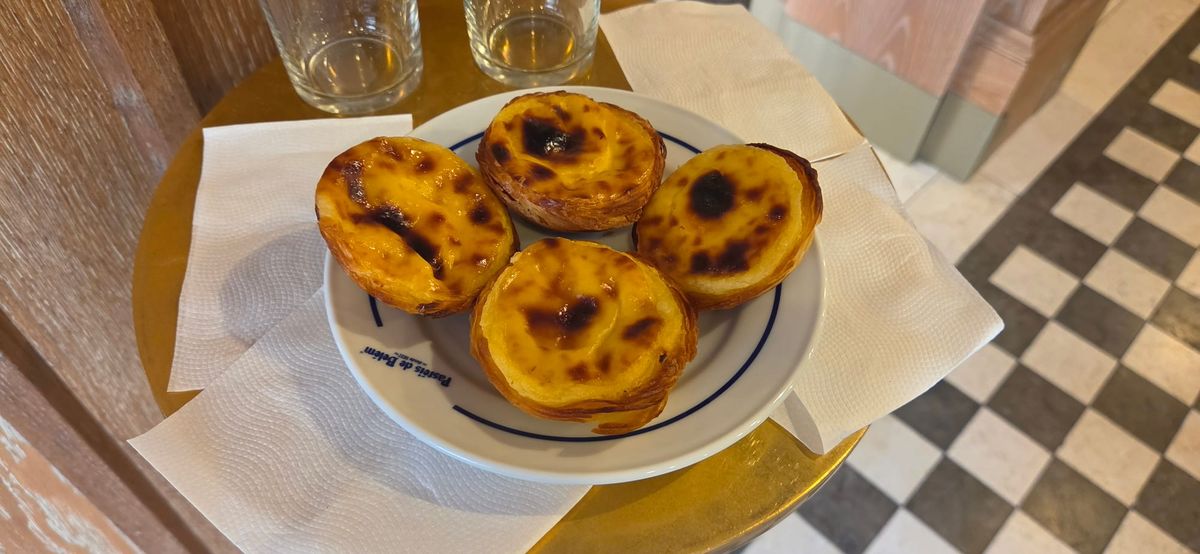
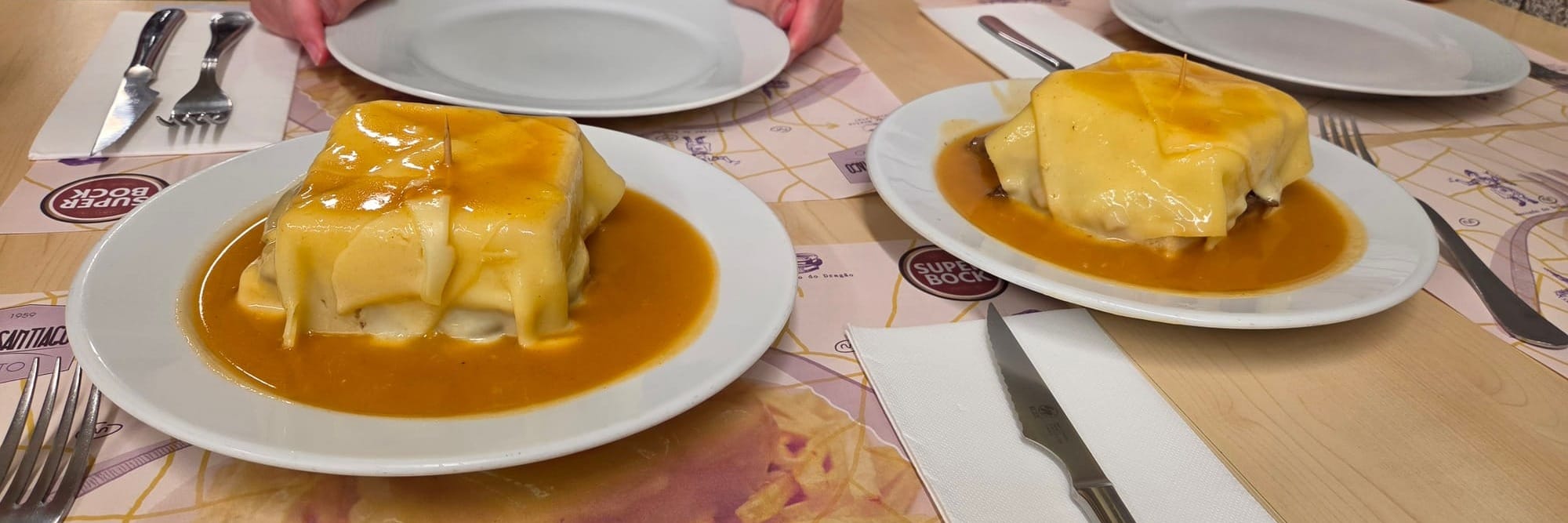
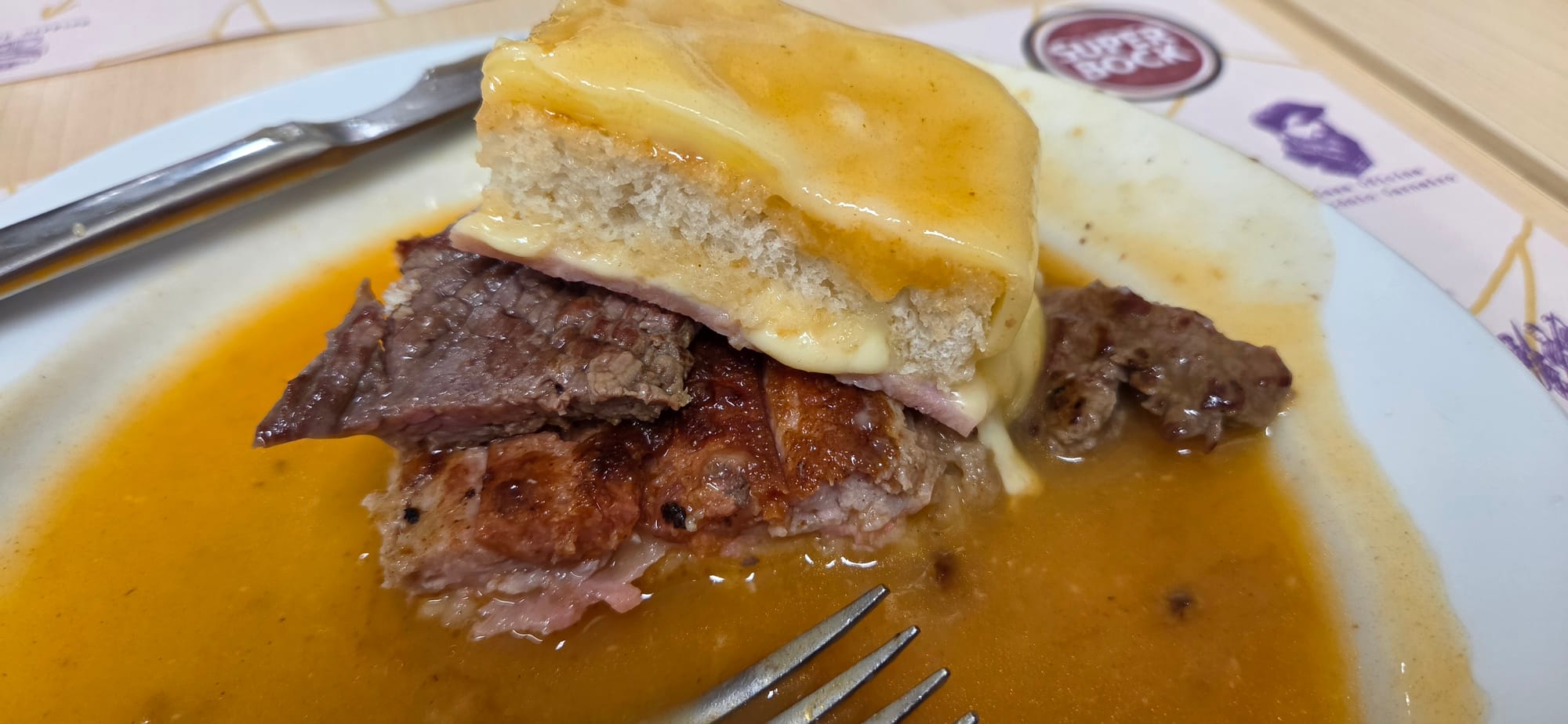
The food above is called a Pastel de nata, a traditional Portugese egg custard tart. They are amazing and we lost count of how many we ate on the trip! Some other traditional dishes are a Francesinha sandwich, sardines, and a seafood dish called Cataplana. We also ate some incredible cheeses and cured sausages.
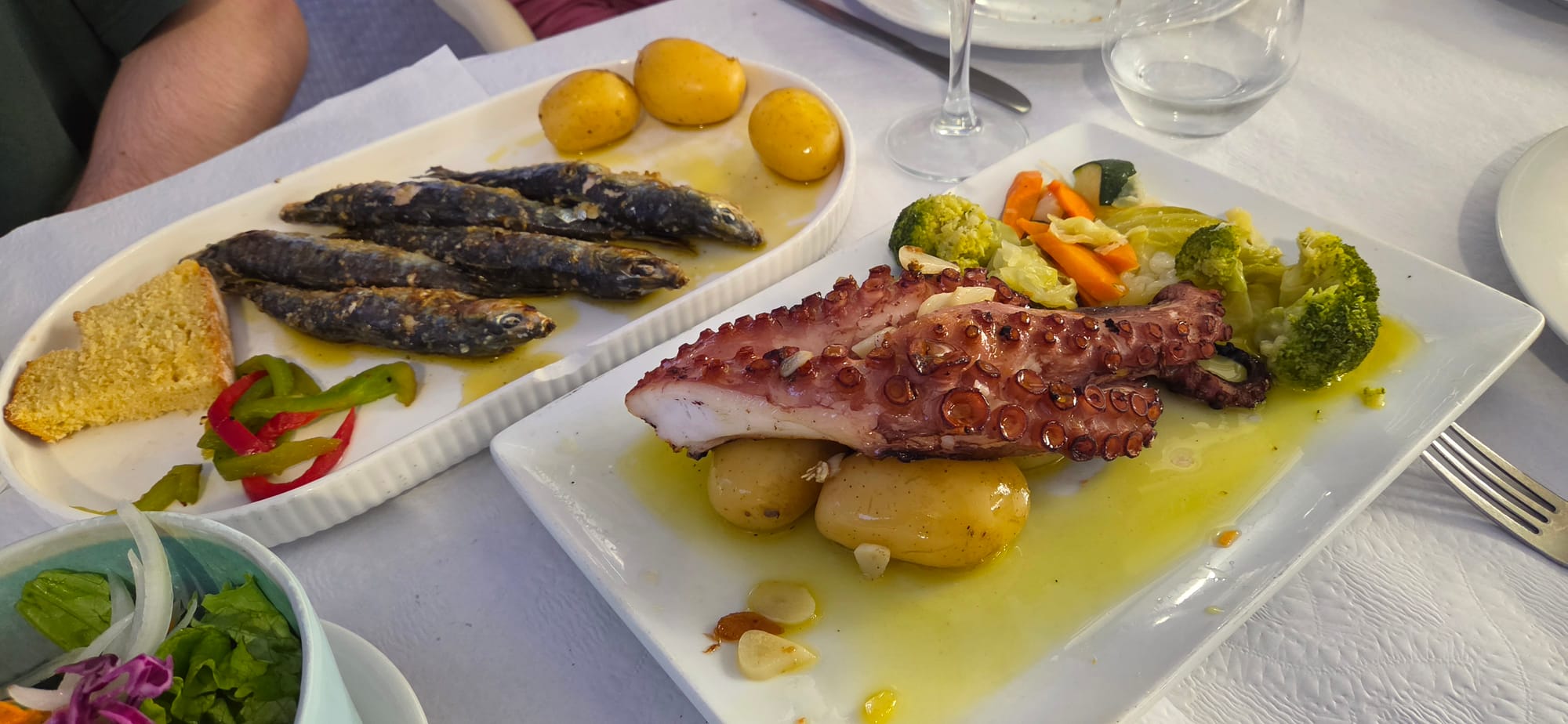
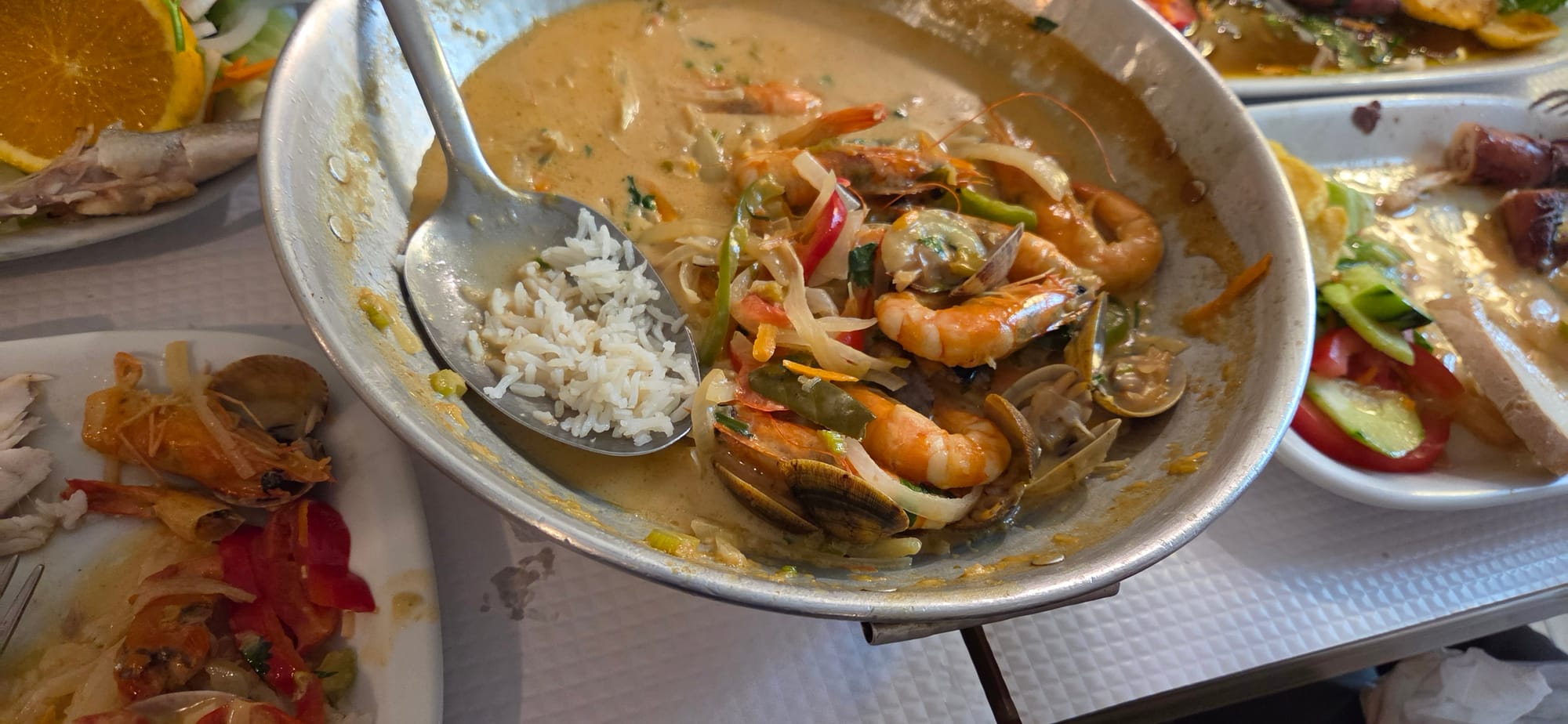
But the star of the show is their wine. Portuguese wine is fantastic. There are several wine regions in Portugal, each with their unique tastes. And the wine is incredibly inexpensive. Early in the trip, Jen thought she was ordering a glass of wine and the restaurant brought her a carafe of about 3 glasses! Most dinners we bought a bottle of wine for the table so we could try different types (and for less than $20). In fact, I think there was only one meal we paid more than $100 for four of us, including drinks. Very reasonable.
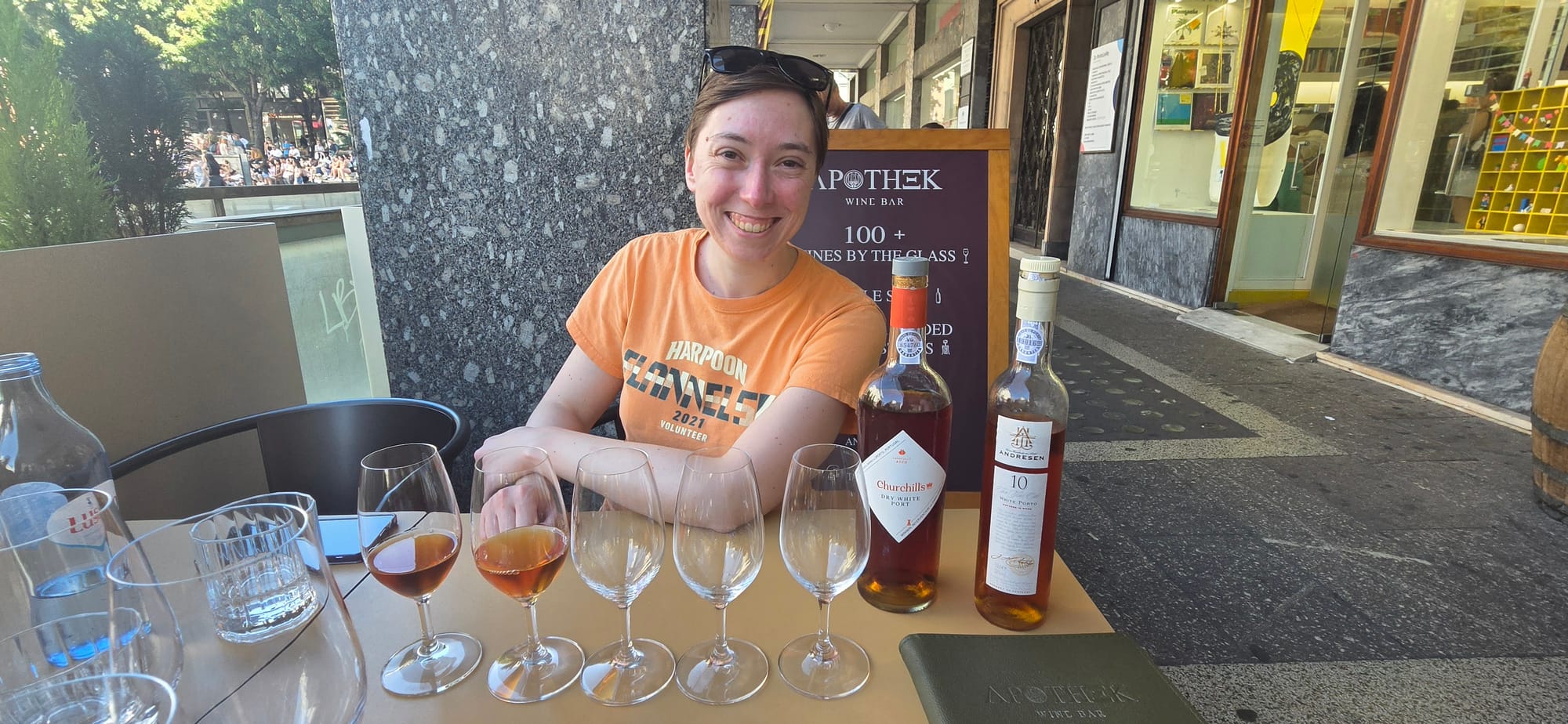
And Porto (Portugal's second largest city) is where port wine comes from! Jen and Sam did a port tasting, but Port is a little too sweet for me.
The Cities
Portugal has two larger cities (Lisbon and Porto). We spent a few days in each one and enjoyed both of them.
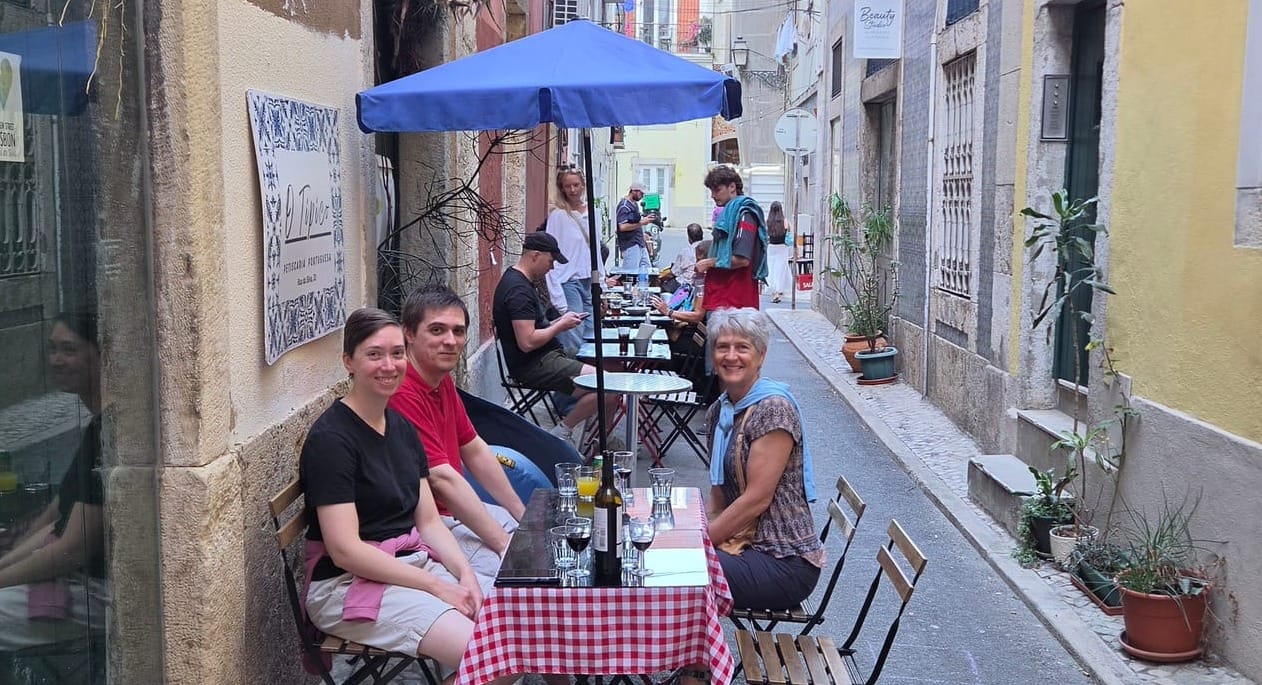
Both cities have a European feel to them (older buildings, narrow streets, outdoor dining, etc.) And both are very walkable (although Lisbon is a little large to walk everywhere, but they have an excellent metro and bus system) if you don't mind going up and down hills.
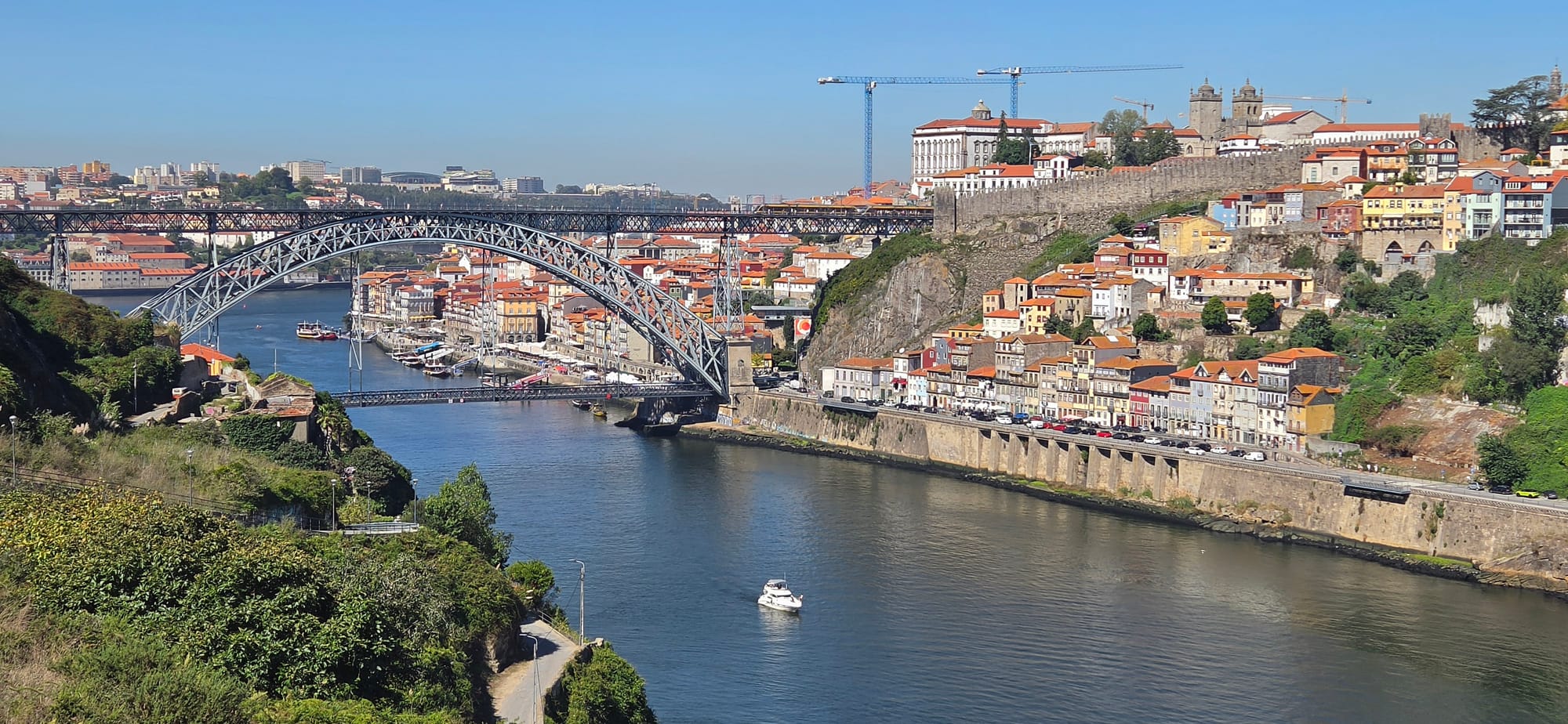
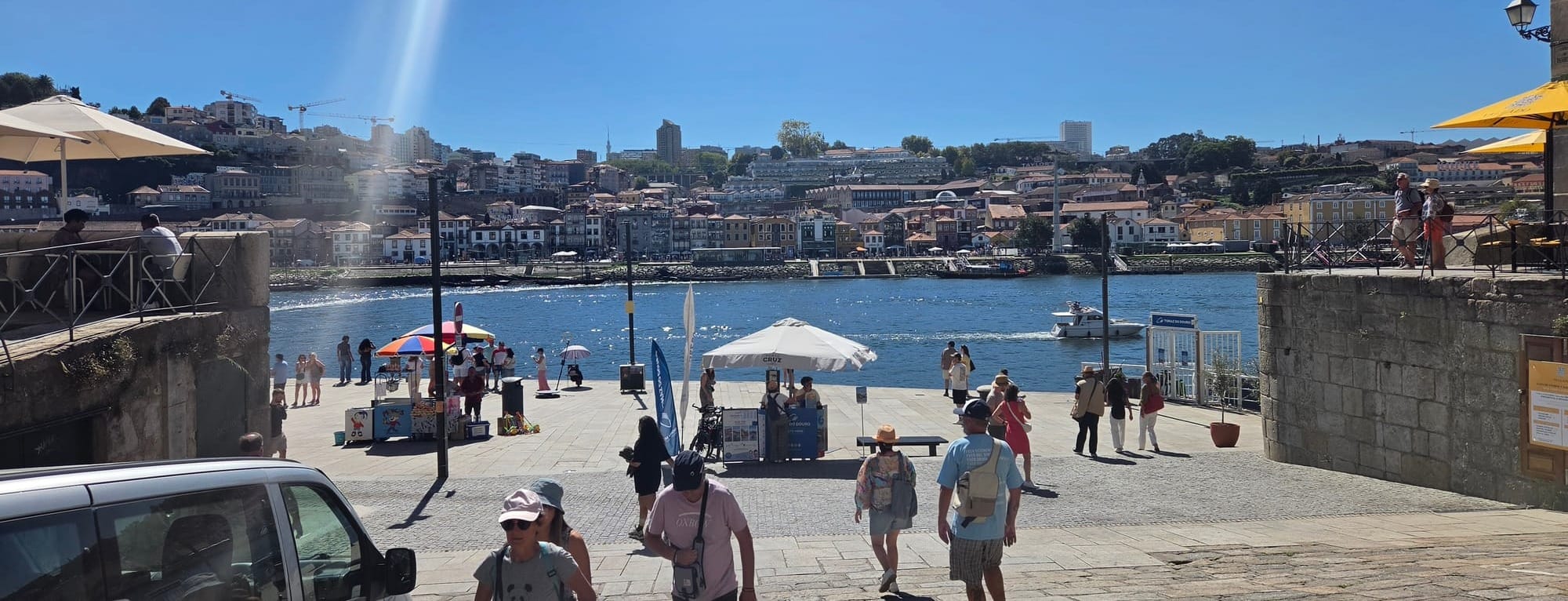
Porto is considered more of an industrial or "blue-collar" town, although we couldn't tell from our visit. We took a walking tour of the city and enjoyed their scenic river front.
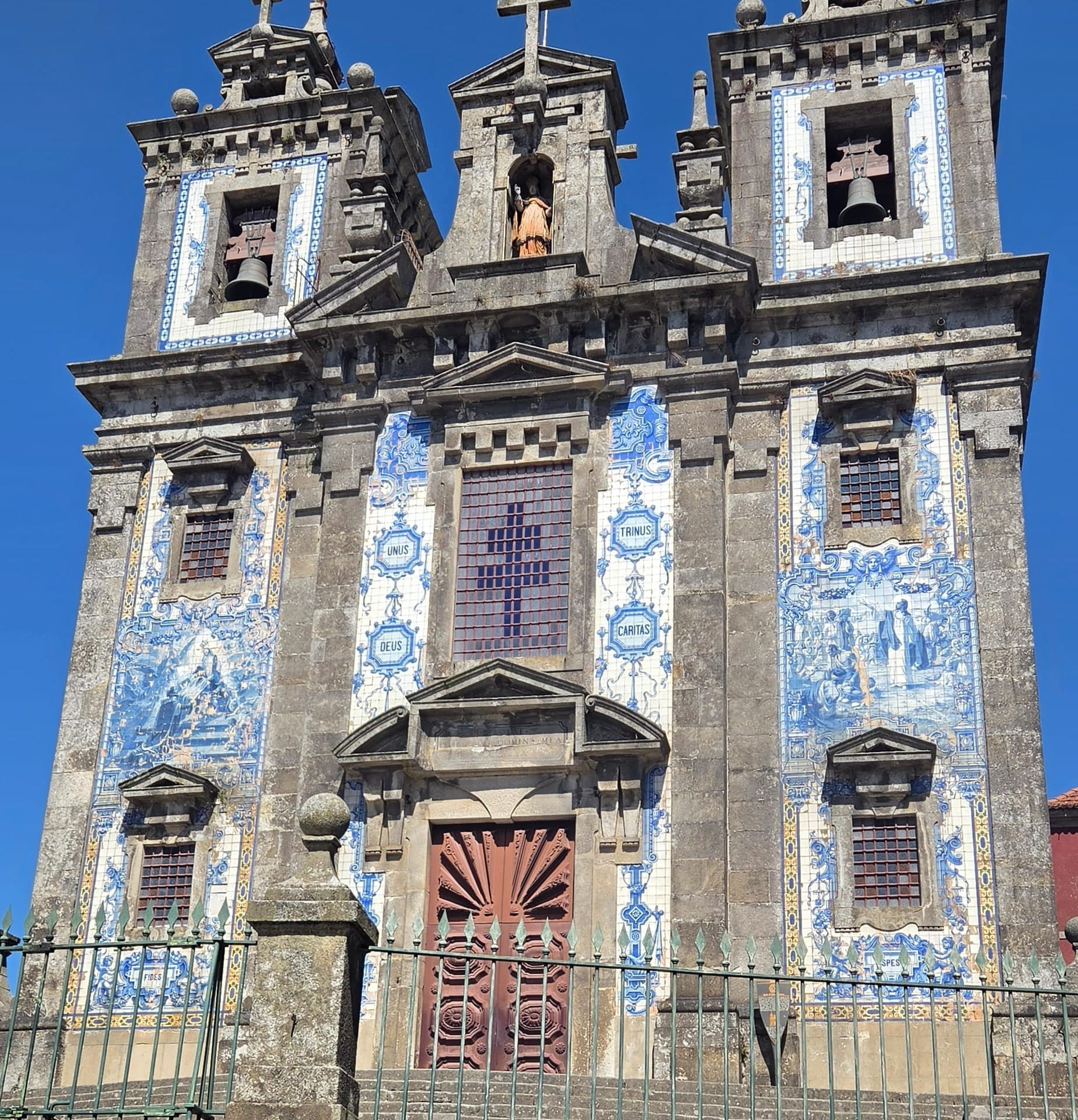
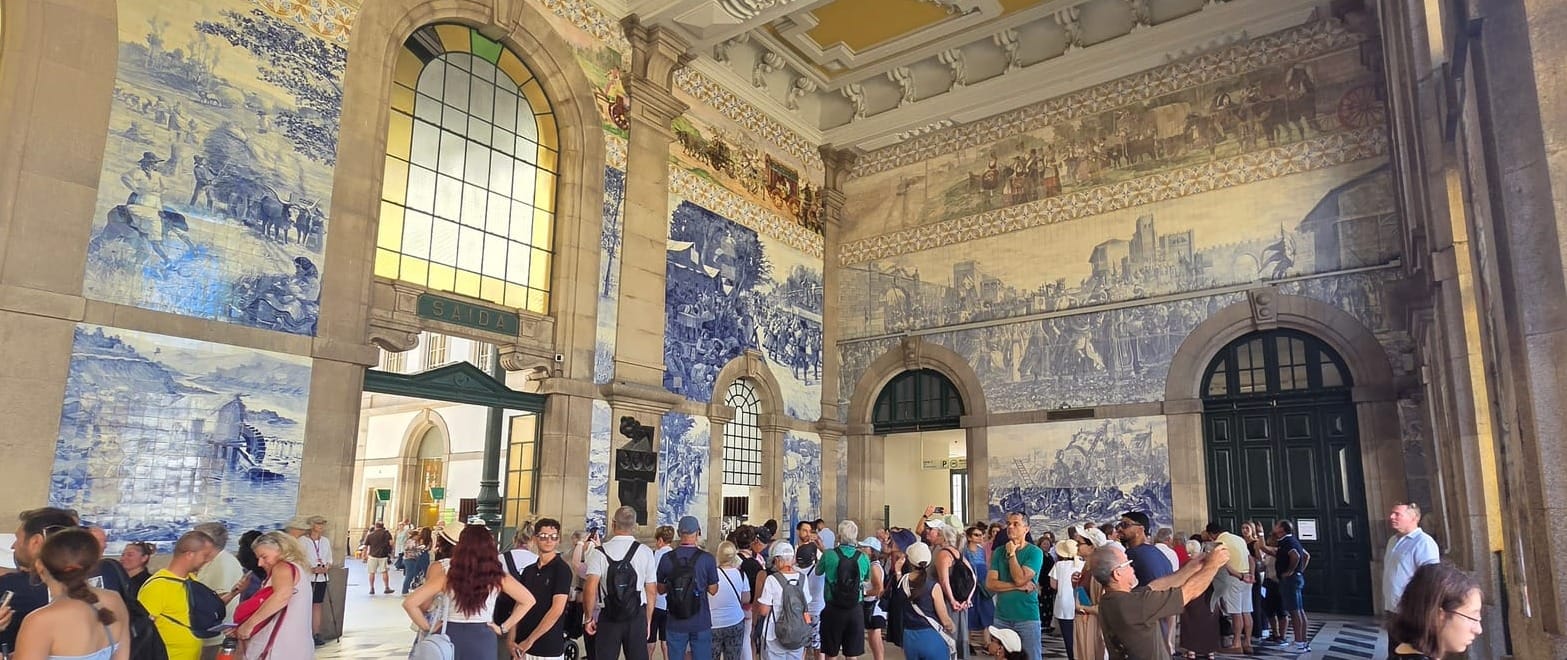
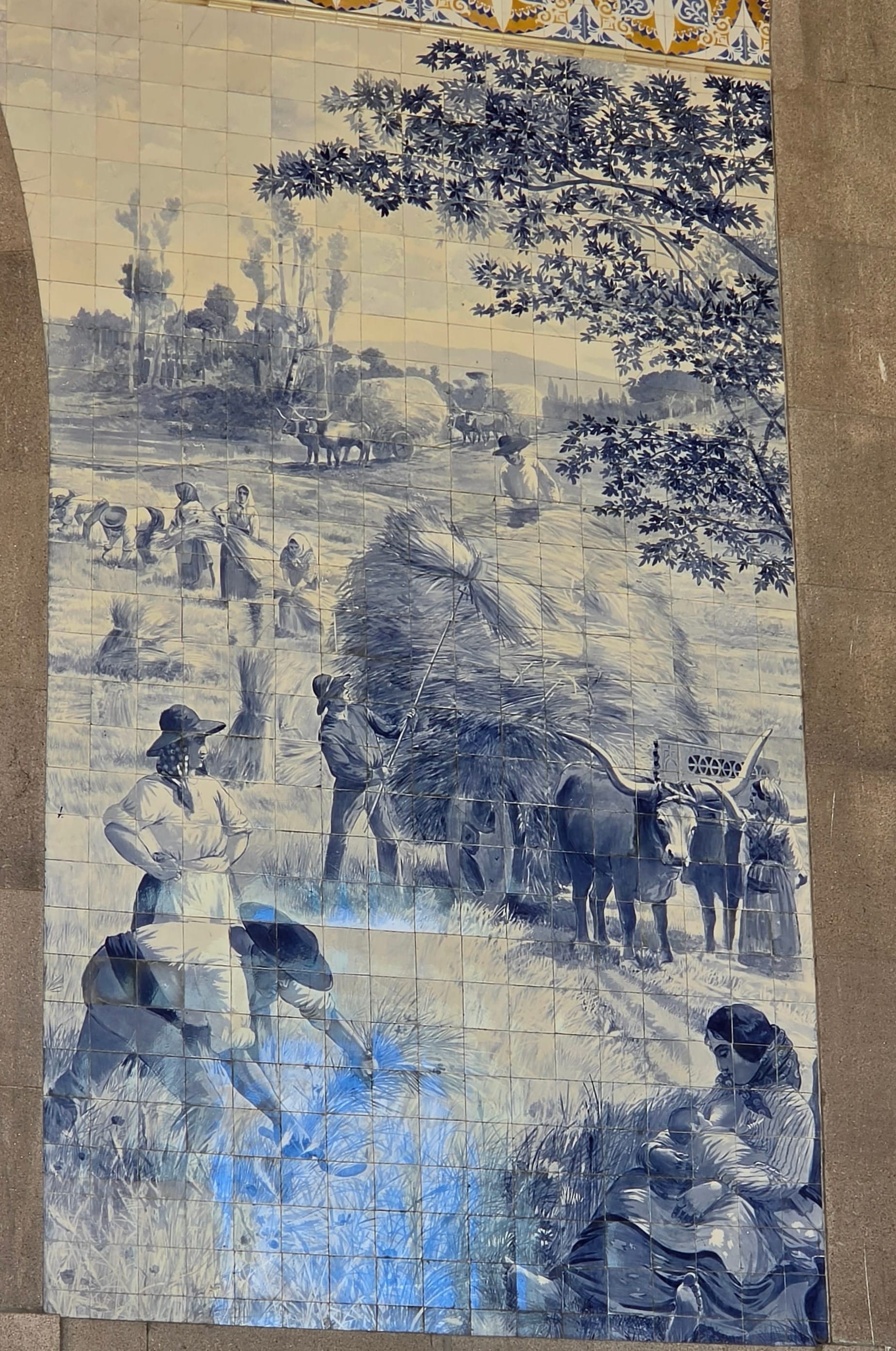
One of architectural decor characteristics you will see in Portugal are blue tiles depicting images or patterns. A tour guide told us that the tradition started as a way to display wealth. Blue was not a natural pigment that could be found in Portugal so it was much more expensive. And the tile was used to help moderate the temperature of buildings. Today, you see blue tile everywhere, some with beautiful depictions.
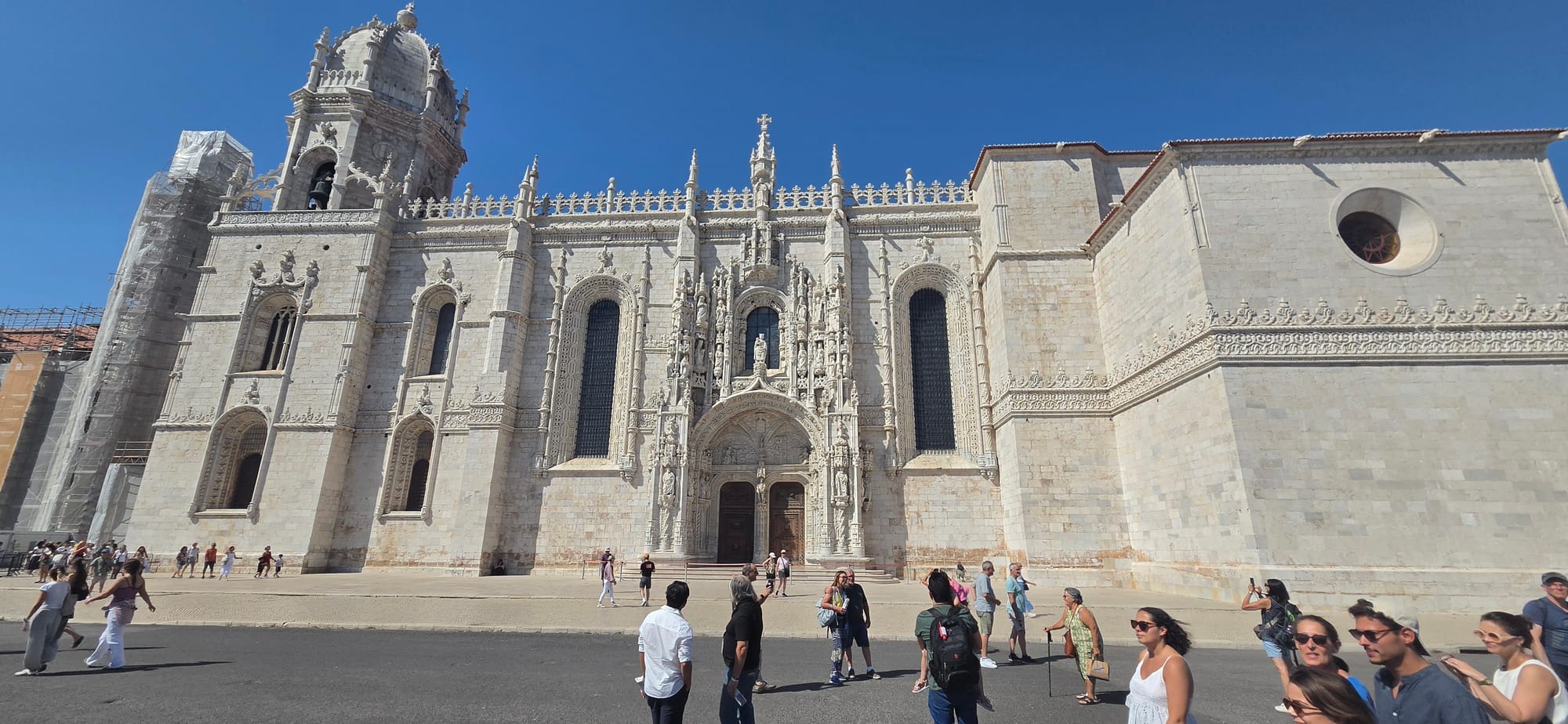
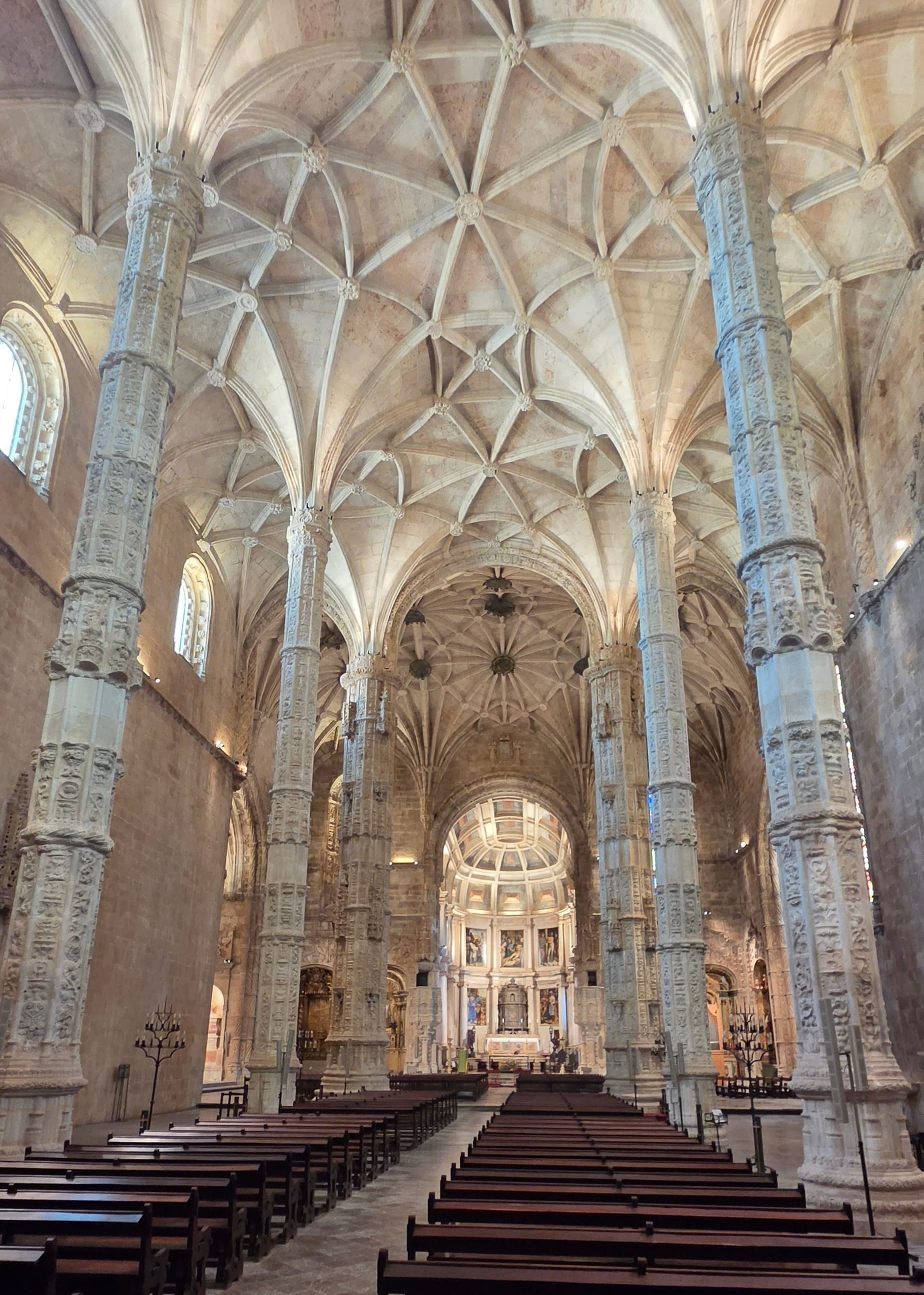
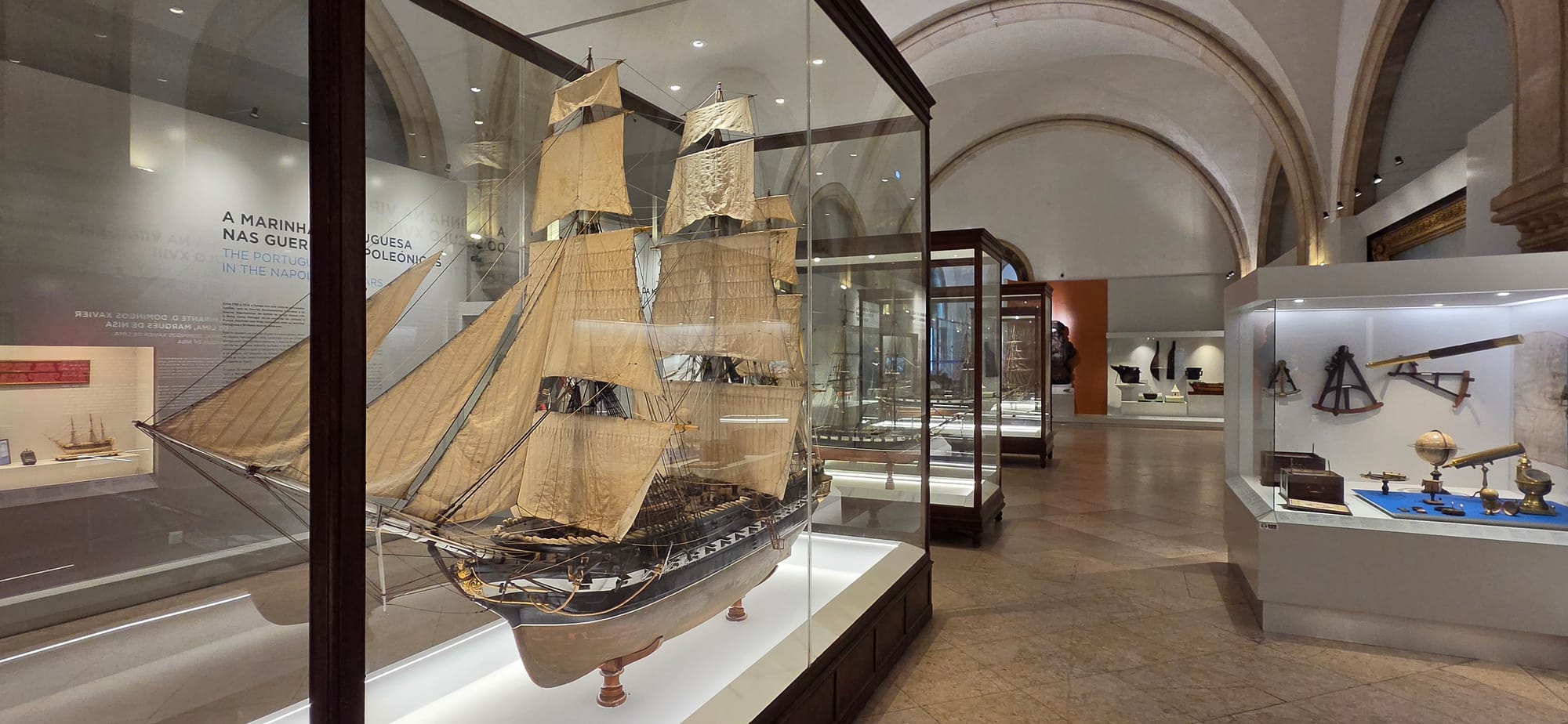
Lisbon is the biggest city in Portugal and their capital. Here you can find many more museums, historical sites and restaurants. We took another walking tour and learned about the big earthquake that destroyed Lisbon on November 1st, 1755. Known as the Great Lisbon Earthquake, it had an estimated magnitude of at least 7.7. It occurred on the morning of the Feast of All Saints, so many homes and churches had candles lit that morning as the heavily Catholic residents were celebrating the feast. This caused widespread fires in the aftermath of the quake. And 40 minutes after the quake Lisbon was hit by a tsunami. The quake, firestorm, and tsunami destroyed over 75% of the city and killed 30-40k people. One of the museums we visited was entirely about the quake and it's aftermath. Jen and the kids also visited an art museum while I visited a maritime museum.
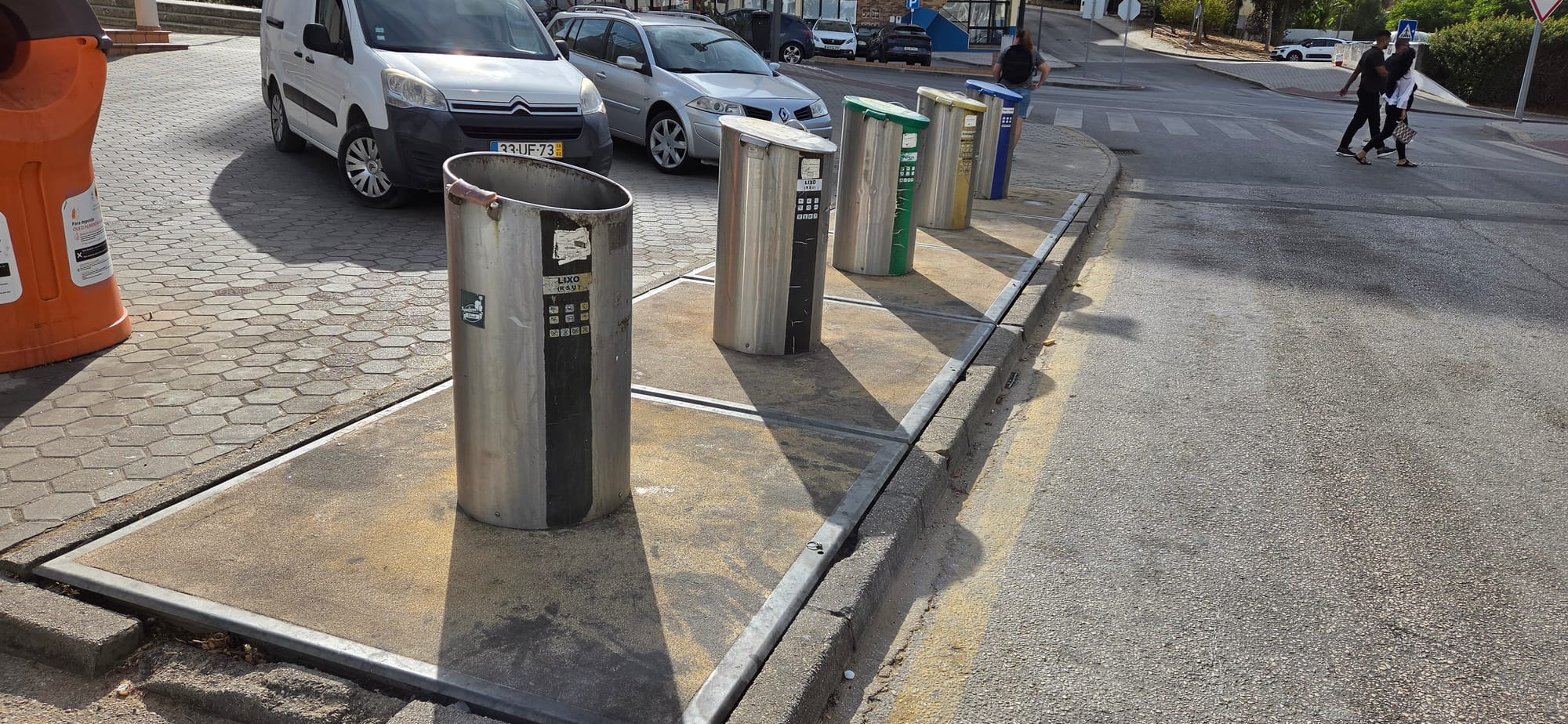
One other thing I found fascinating was how Porto and Lisbon handled trash in the city. Both cities were extremely clean. Instead of having trash cans throughout the city that quickly fill and overflow, Portugal uses deep trash wells underneath their trash cans. From the top they look like ordinary trash cans, but underneath each can is large dumpster. A much cleaner and efficient system.
Sintra
About a 45 minute train ride outside of Lisbon is a small town called Sintra. Sintra is popular with tourists because it is very picturesque, and is known for historic castles and palaces. The city center is another Unesco world heritage site.
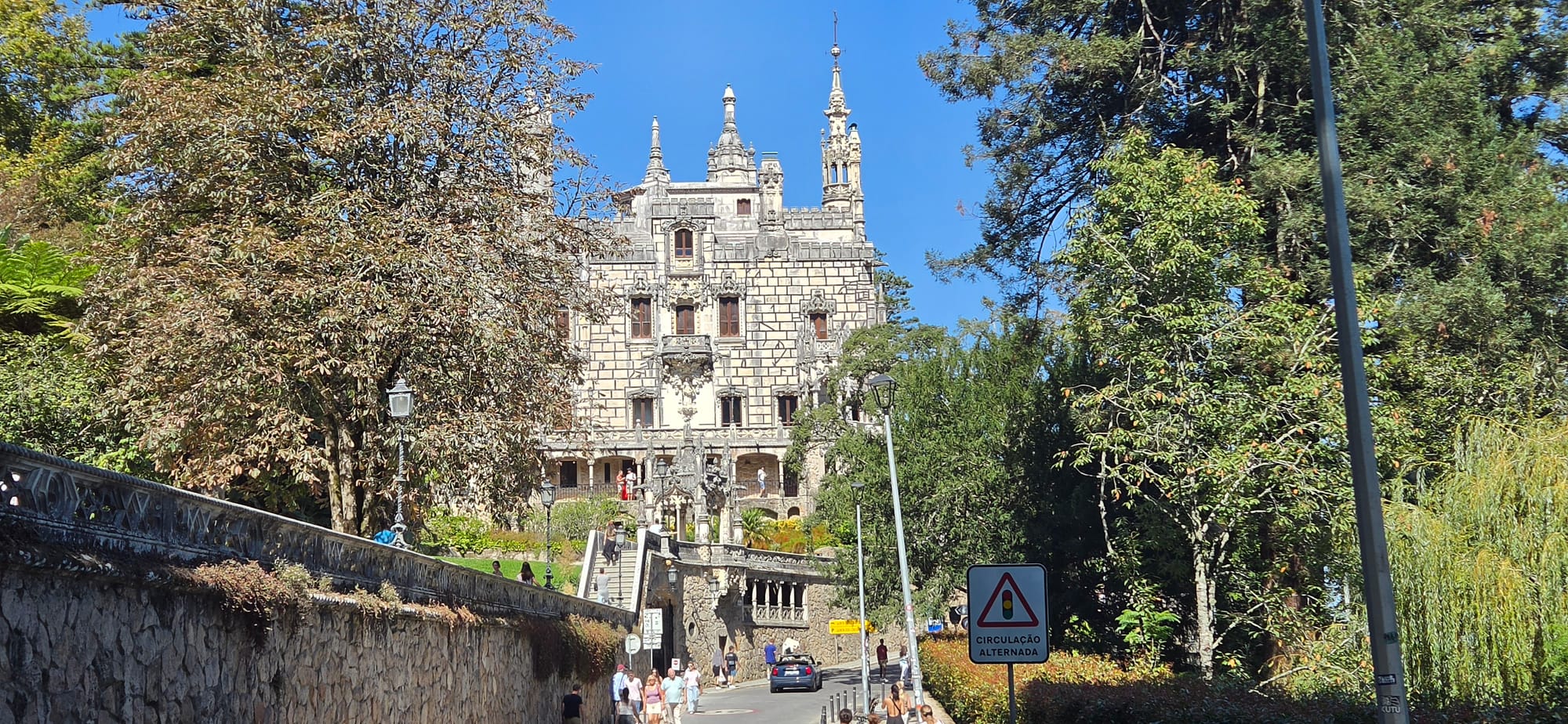
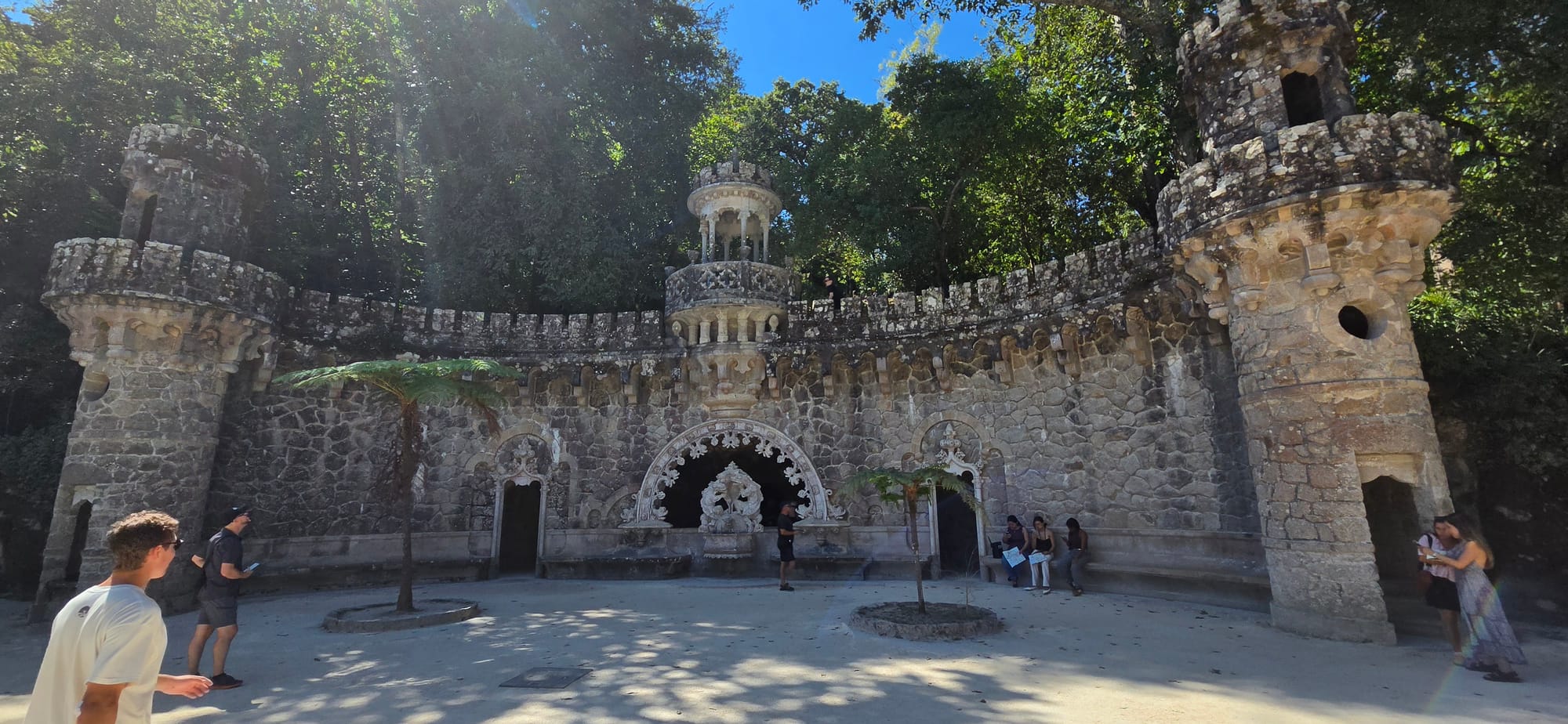
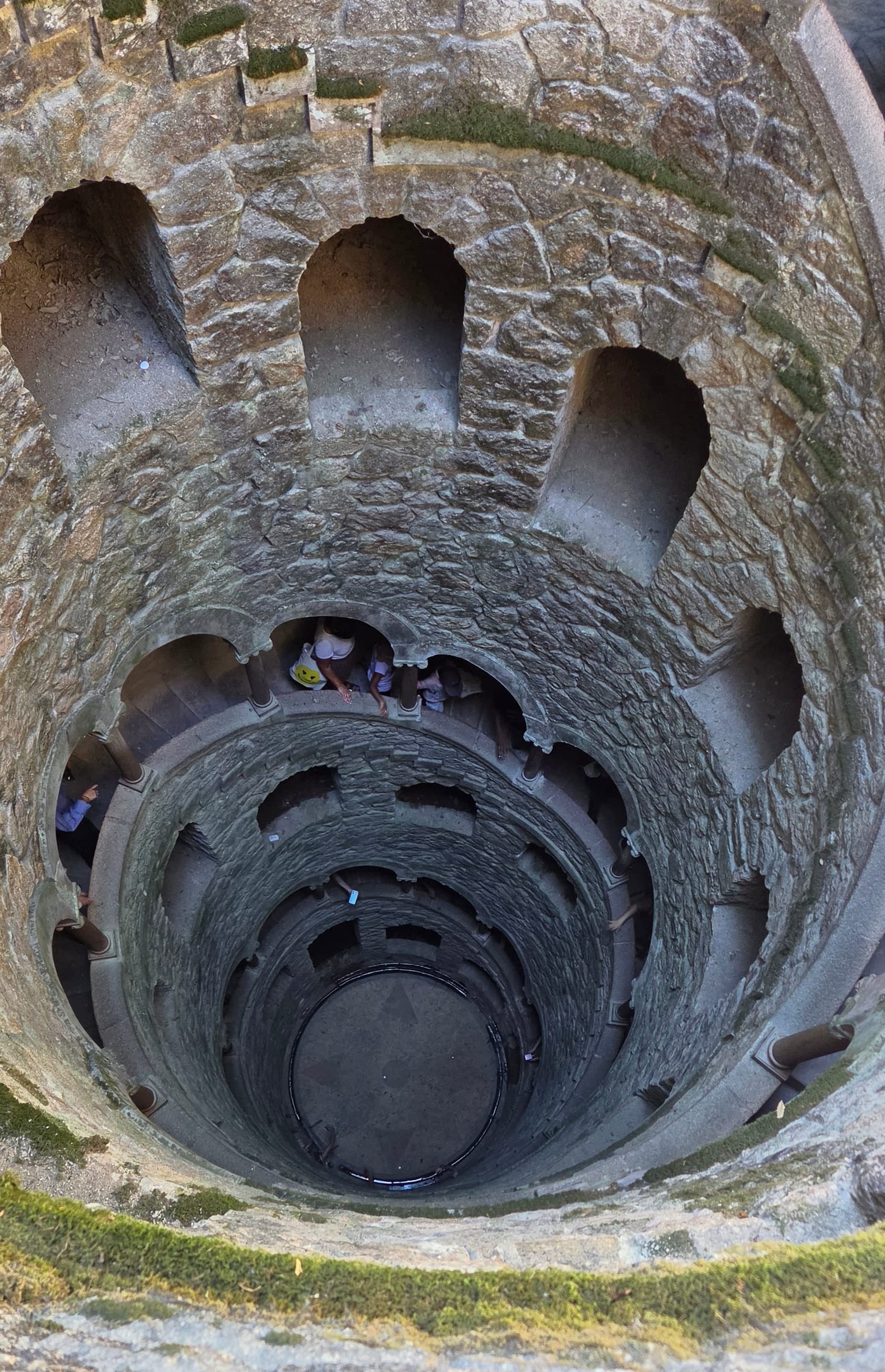
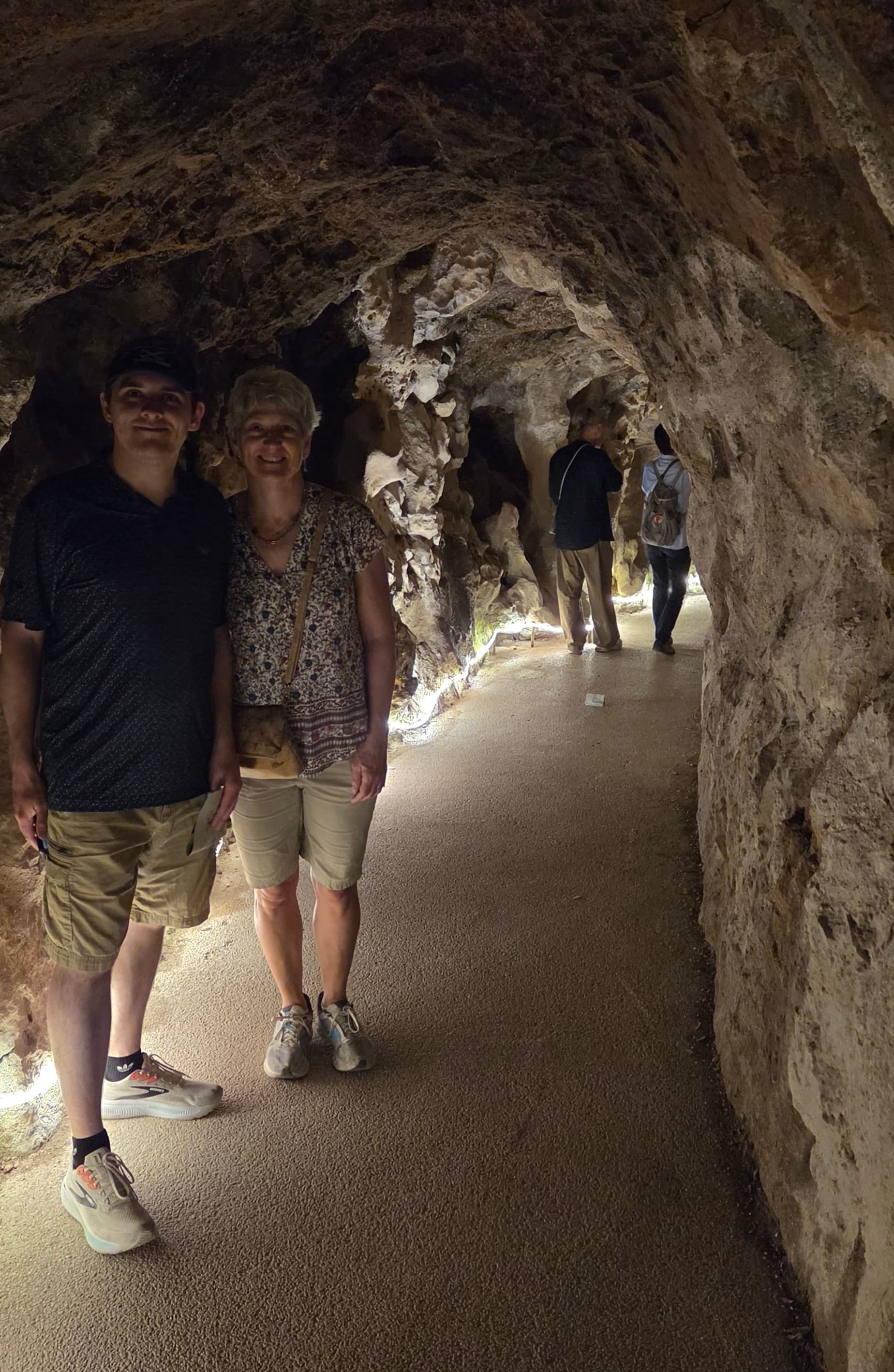
There are several sites you could visit here. Based on a recommendation from a tour guide, we decided to visit Quinta da Regaleira. Also known as "Millionaire's Mansion", it is a palace built in the early 1900's and is located within an impressive park. The building itself wasn't anything special as were only able to see a small part of it, but the grounds contained multiple grottoes (caves), fountains, an "inverted tower" called Initiation Well, and underground tunnels. It was tough walking with steep inclines, but worth the visit.
The Coastal Areas
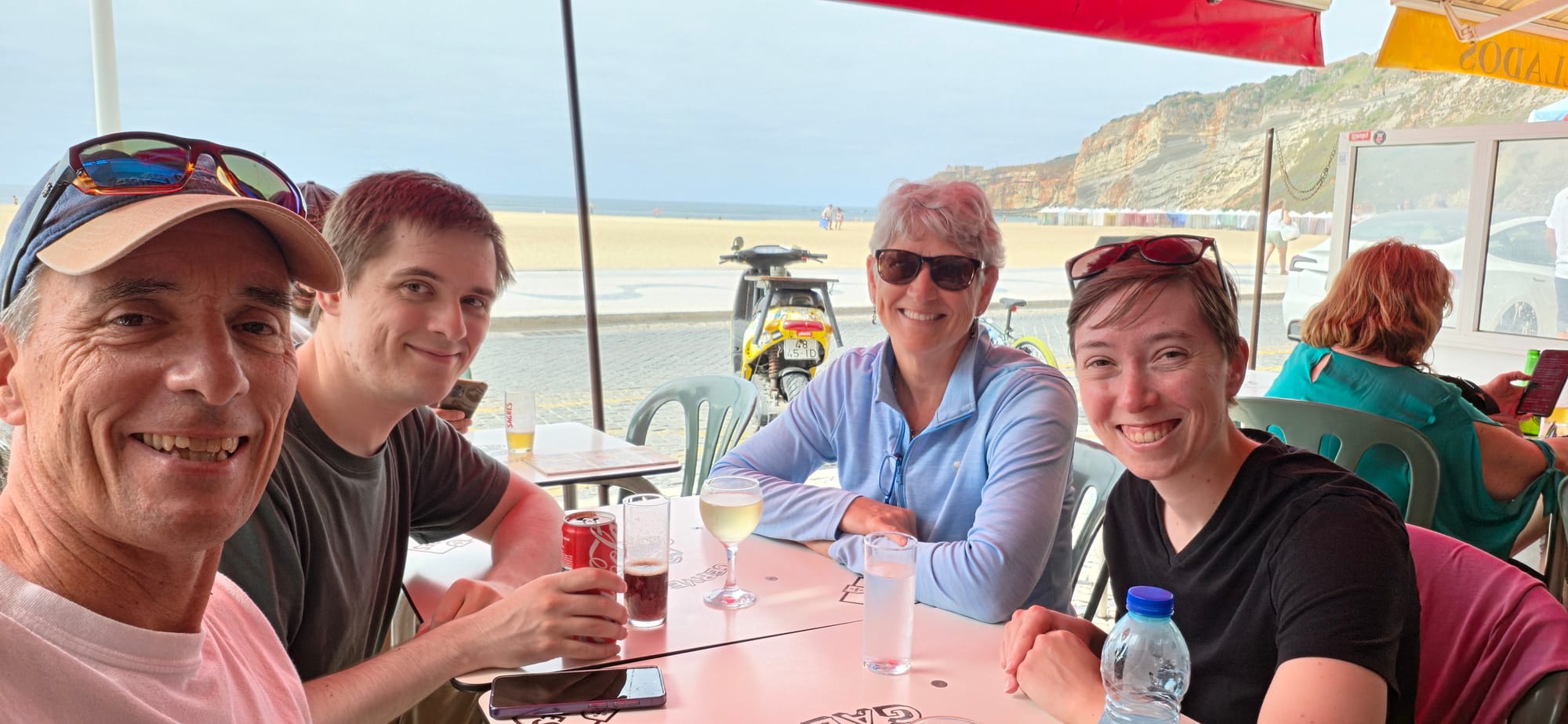
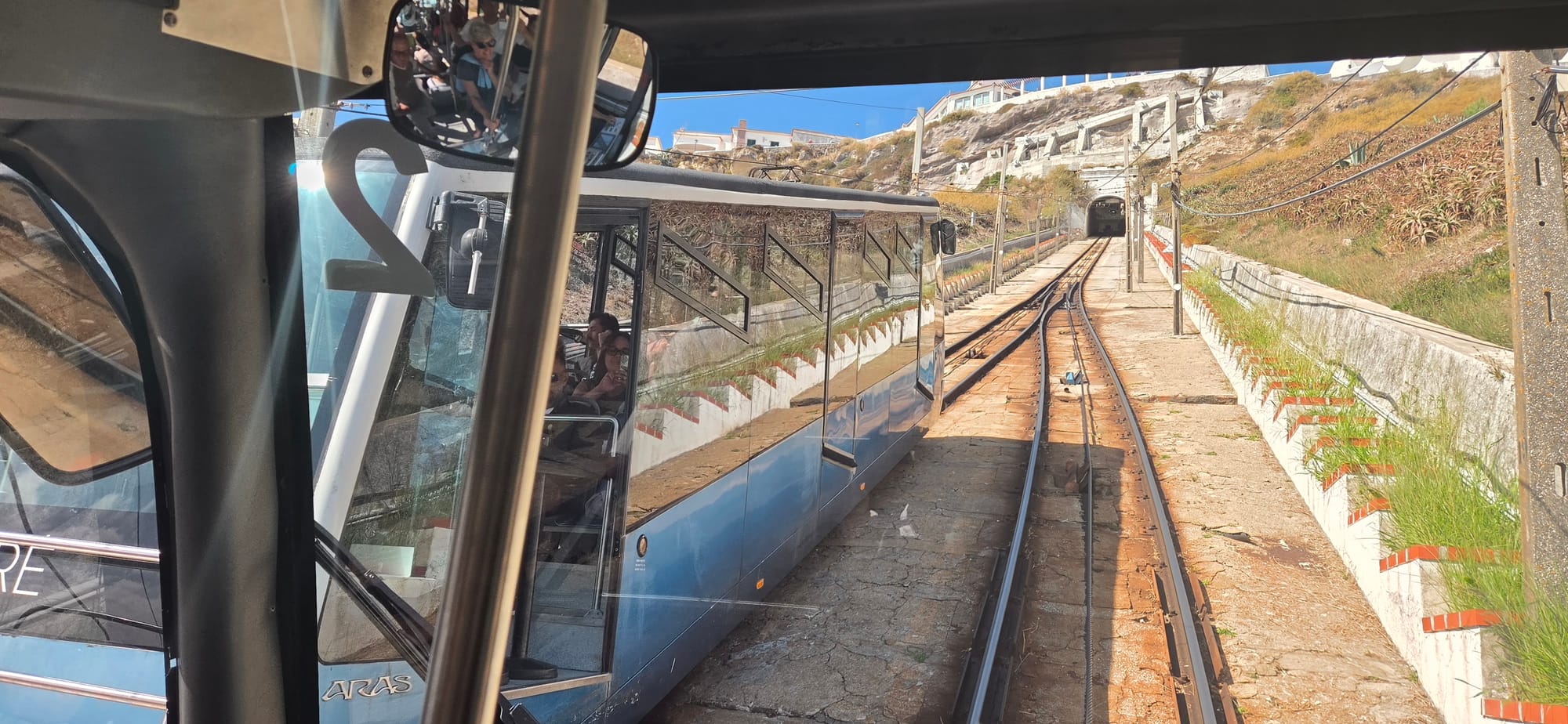
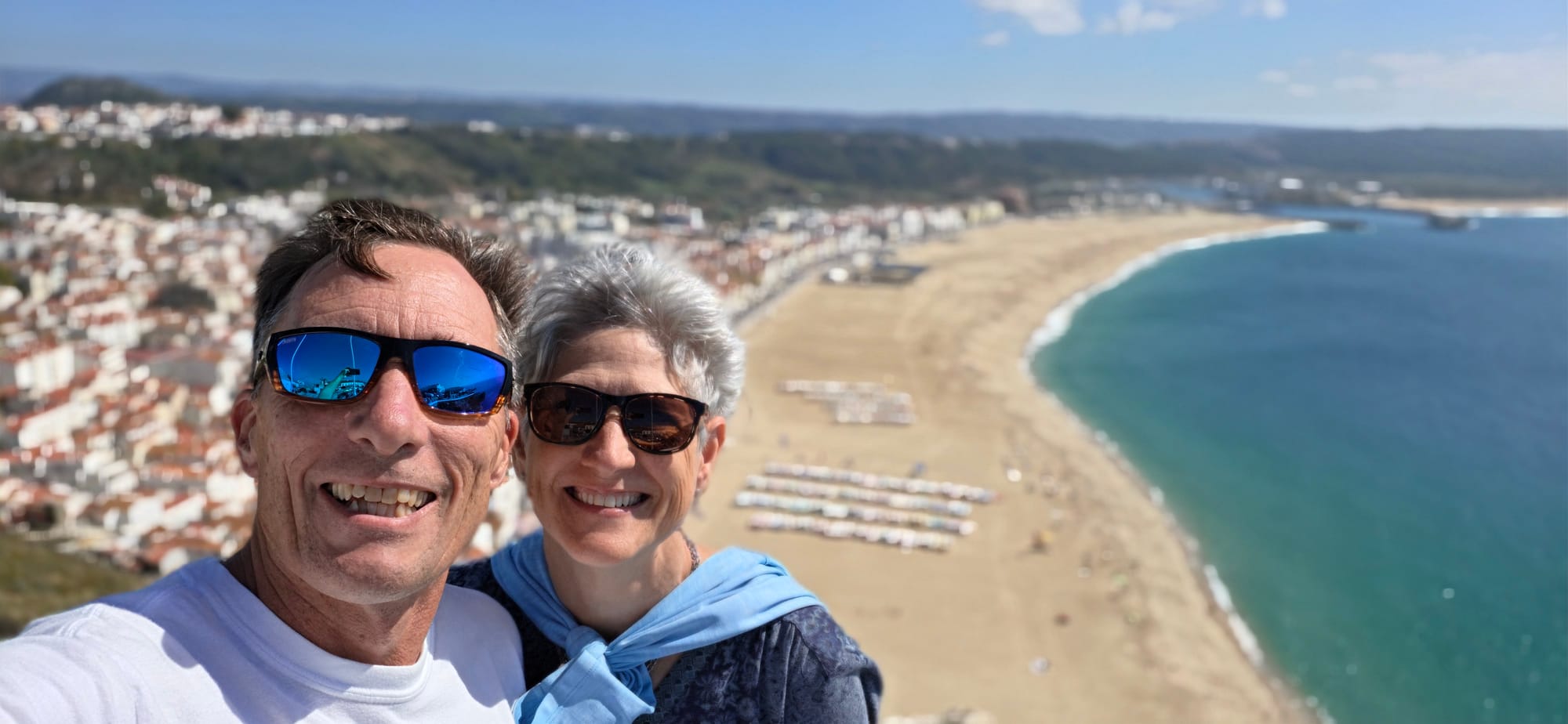
Between our city visits, we visited two different coastal communities. The first was in the town of Nazare, located between Porto and Lisbon on the western coast. This little town was probably my favorite stop. It's a beautiful resort town along the "Silver Coast" and it's famous for it's waves and surfing competitions. In 2020, the world record for tallest wave ever surfed (86 feet) occurred here. https://www.youtube.com/watch?v=yFEh_-tYTS0
The building you can see at the start of the video is the Forte de Sao Miguel Arcanjo, a coastal fort built in 1577. We visited the fort which provided spectacular views of the town and seaside. And we celebrated my 60th birthday here. It was a wonderful day.
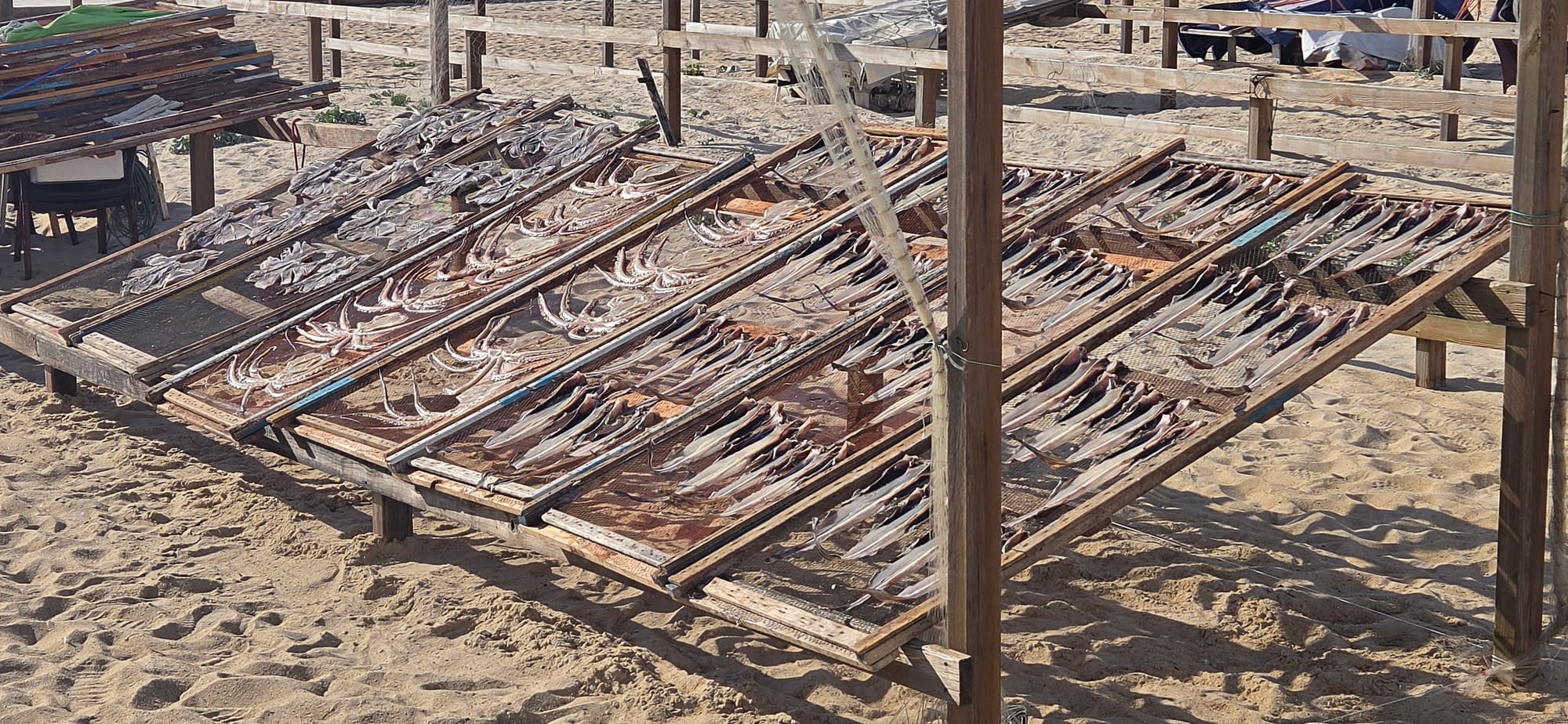
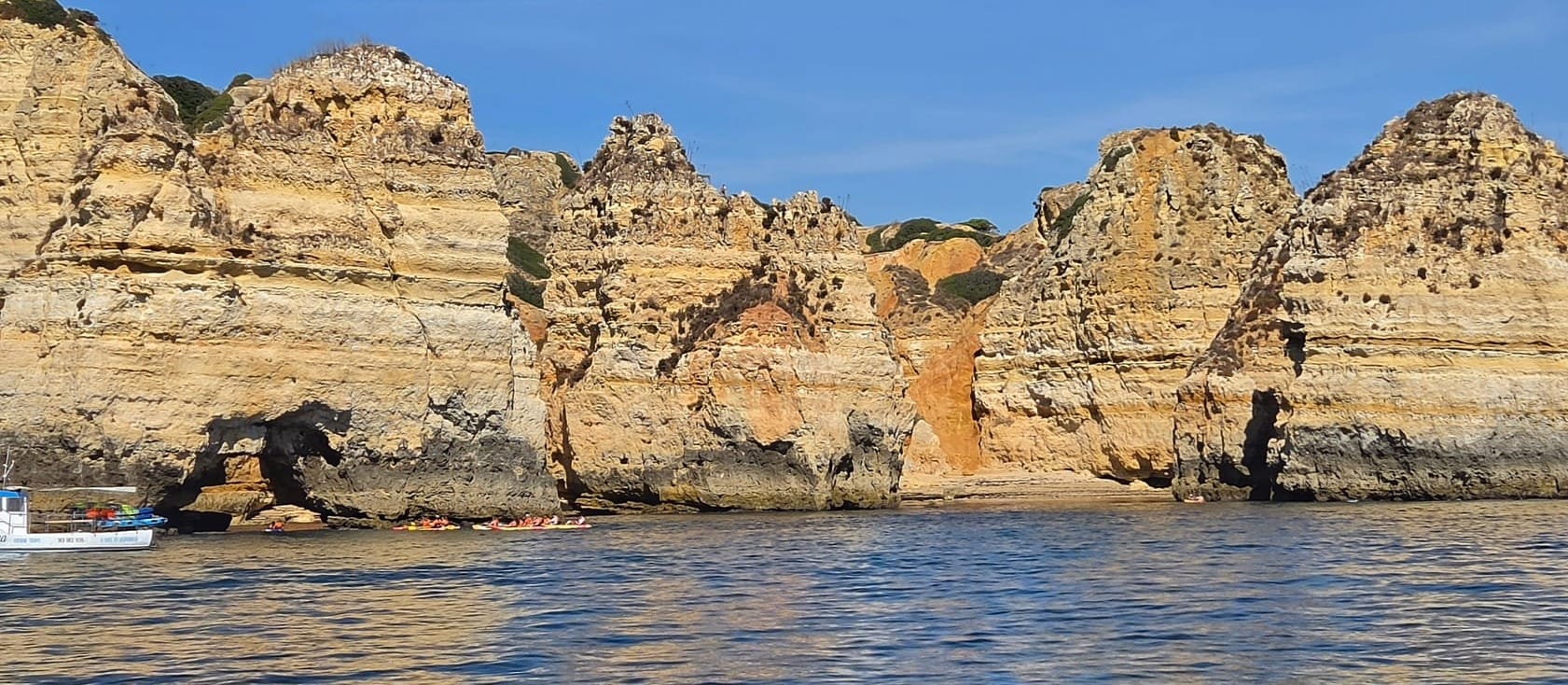
After Nazare, we headed down to Lagos along the southern Algarve coast. Here we decided to take a kayak tour to see some of the scenic rock formations in Ponta da Piedade. I didn't have a waterproof case for my phone so I took no photos from the kayak, but did take some from the boat. Afterwards we jumped in the ocean from the boat for a quick swim!
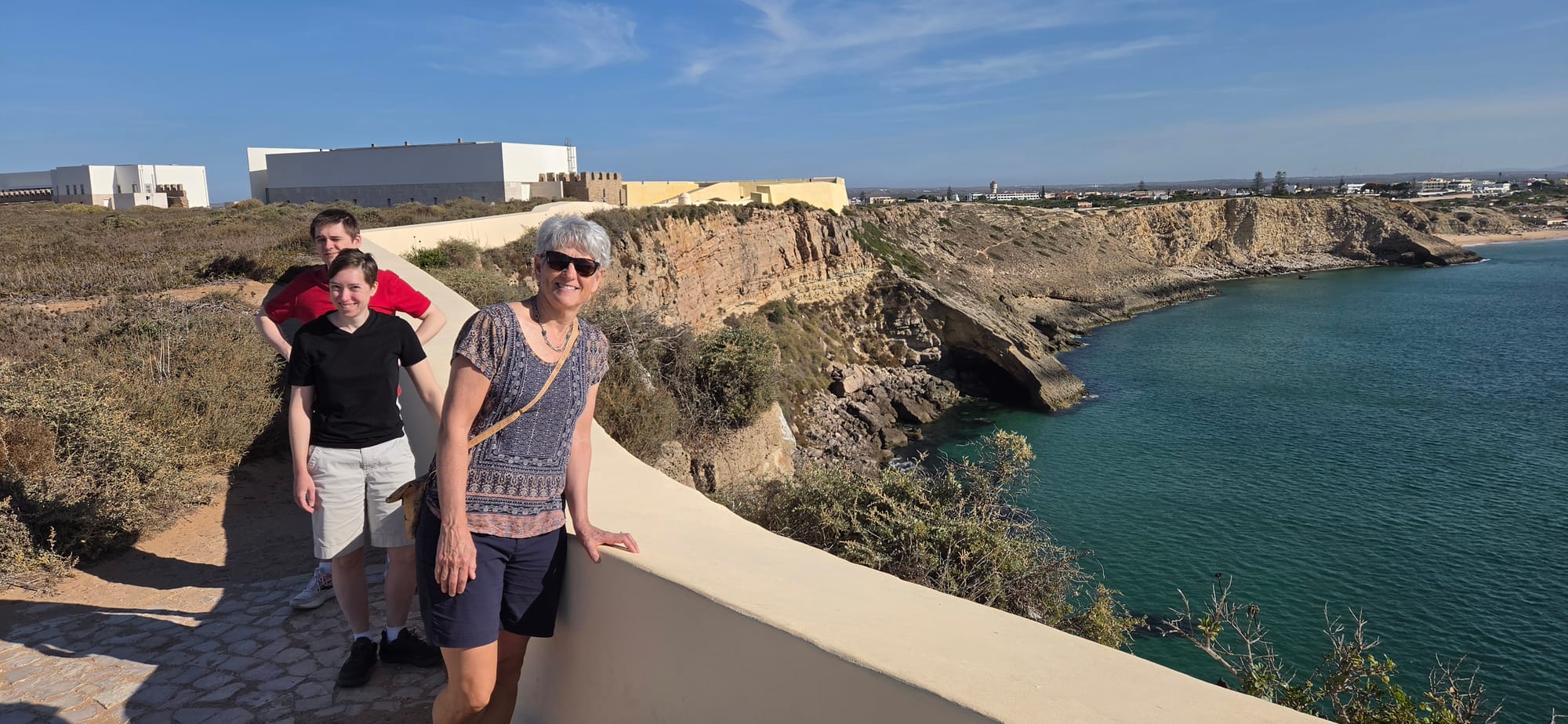
Before leaving the coast, we stopped at a town called Sagres which is at the furthest southwest point of Portugal. Here we visited an impressive sea fort on a peninsula surrounded by cliffs.
Peneda-Geres National Park and Bom Jesus do Monte
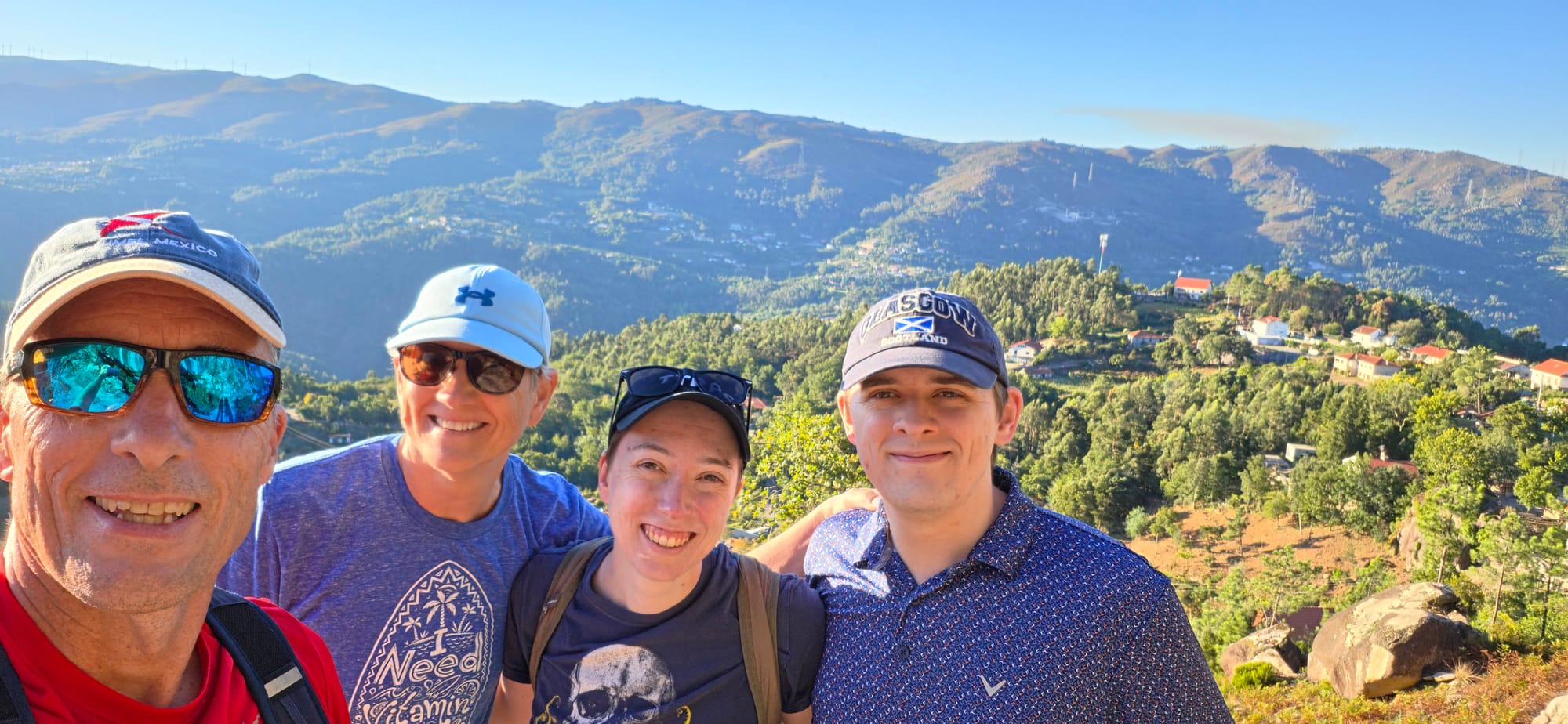
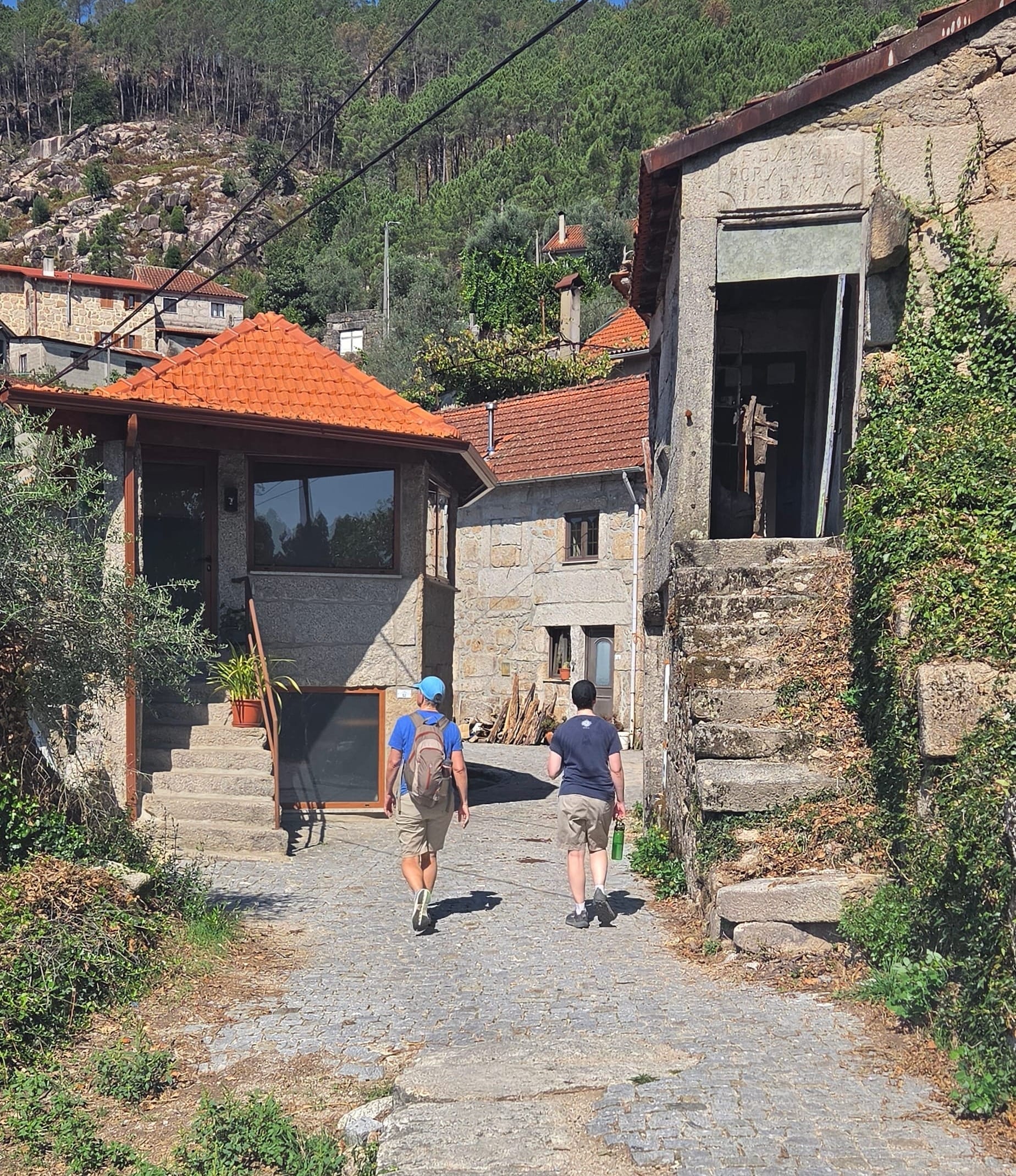
Wanting to get some hiking in, we also visited one of Portugal's national parks. We stayed a couple nights at a hotel in Peneda-Geres National Park. We took one long hike which included a nice waterfall. If we had stayed longer, we could have explored a few other historical items, including an old Roman road through the park. The one drawback was that the trail we took was very poorly marked. In fact, without a trail mapping program on my phone, we would have taken one or more wrong turns.
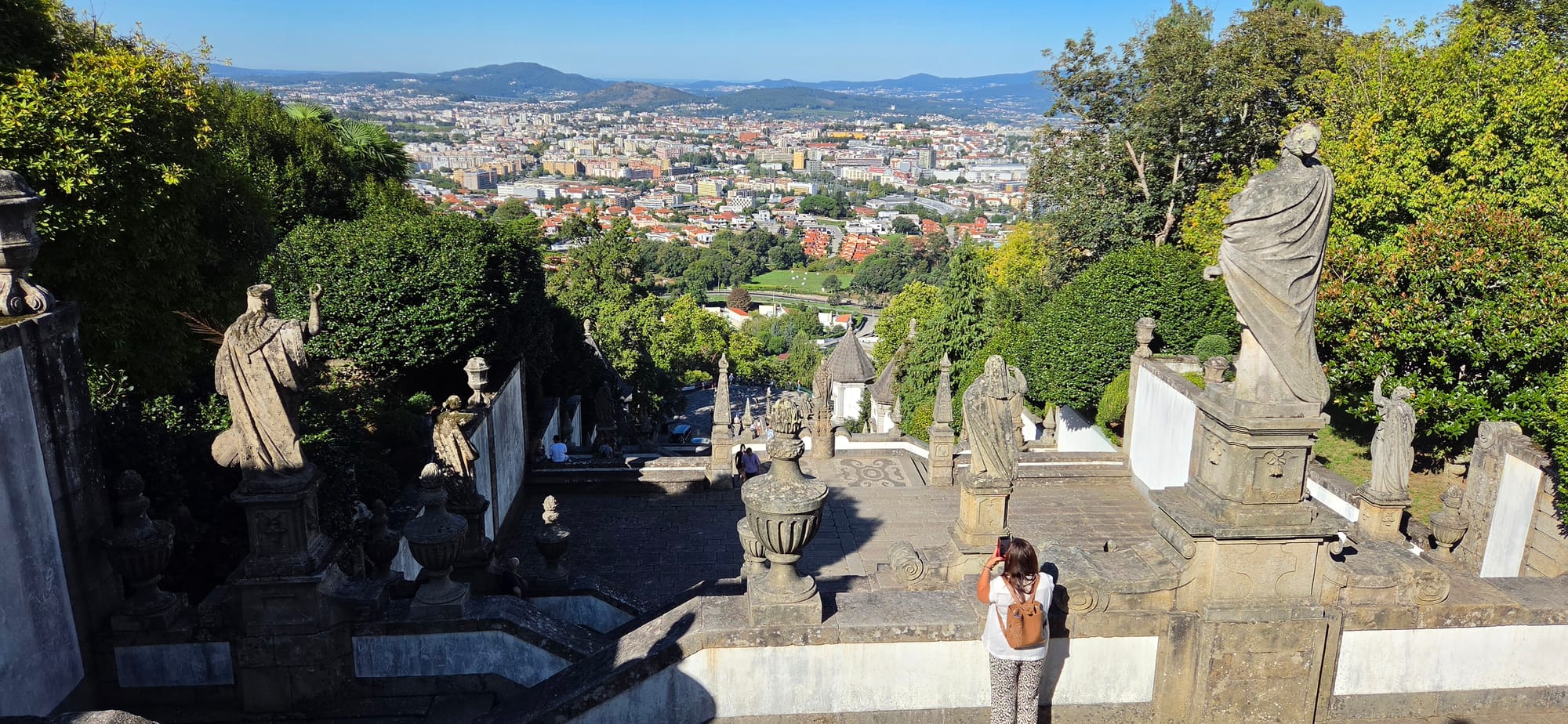
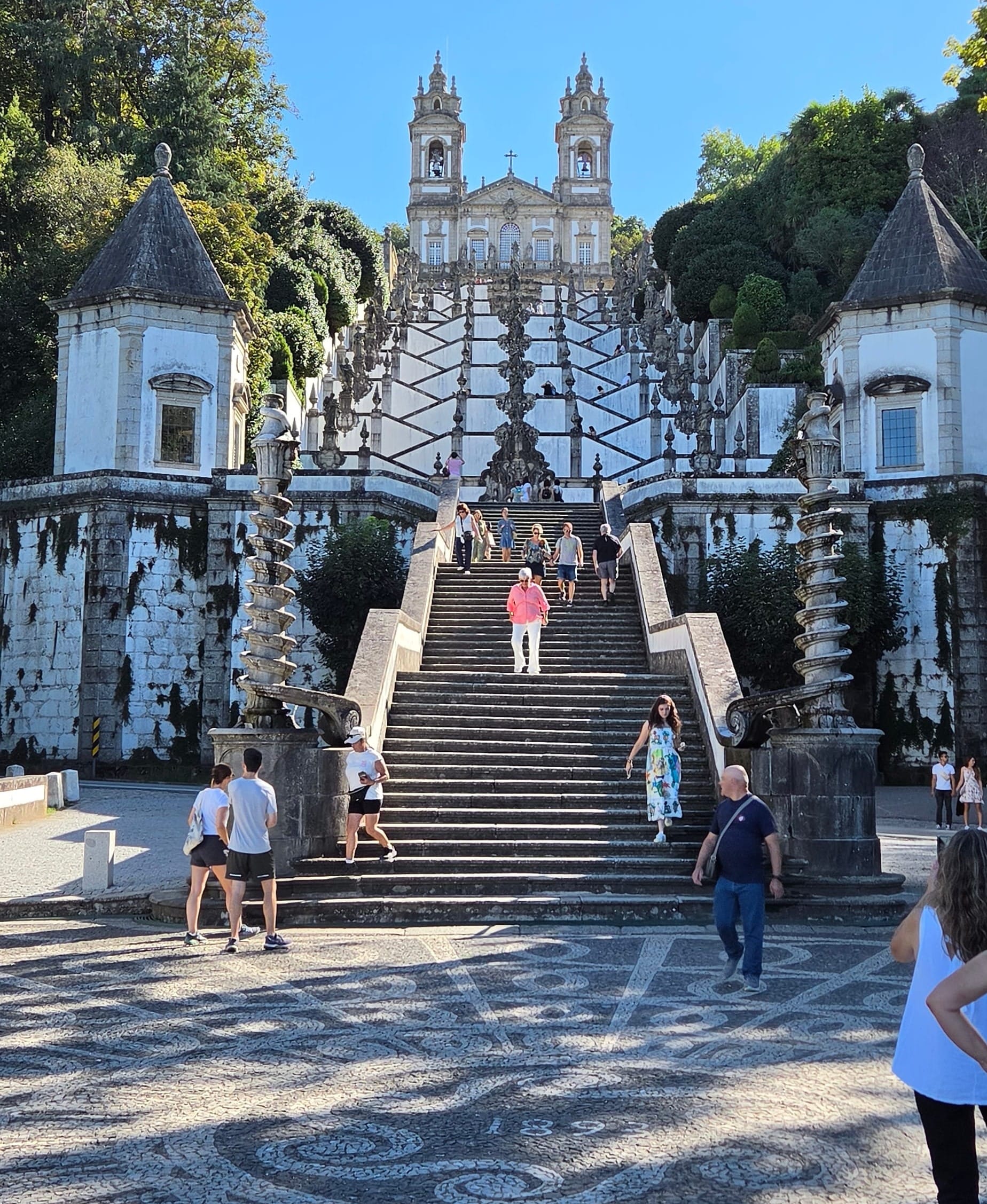
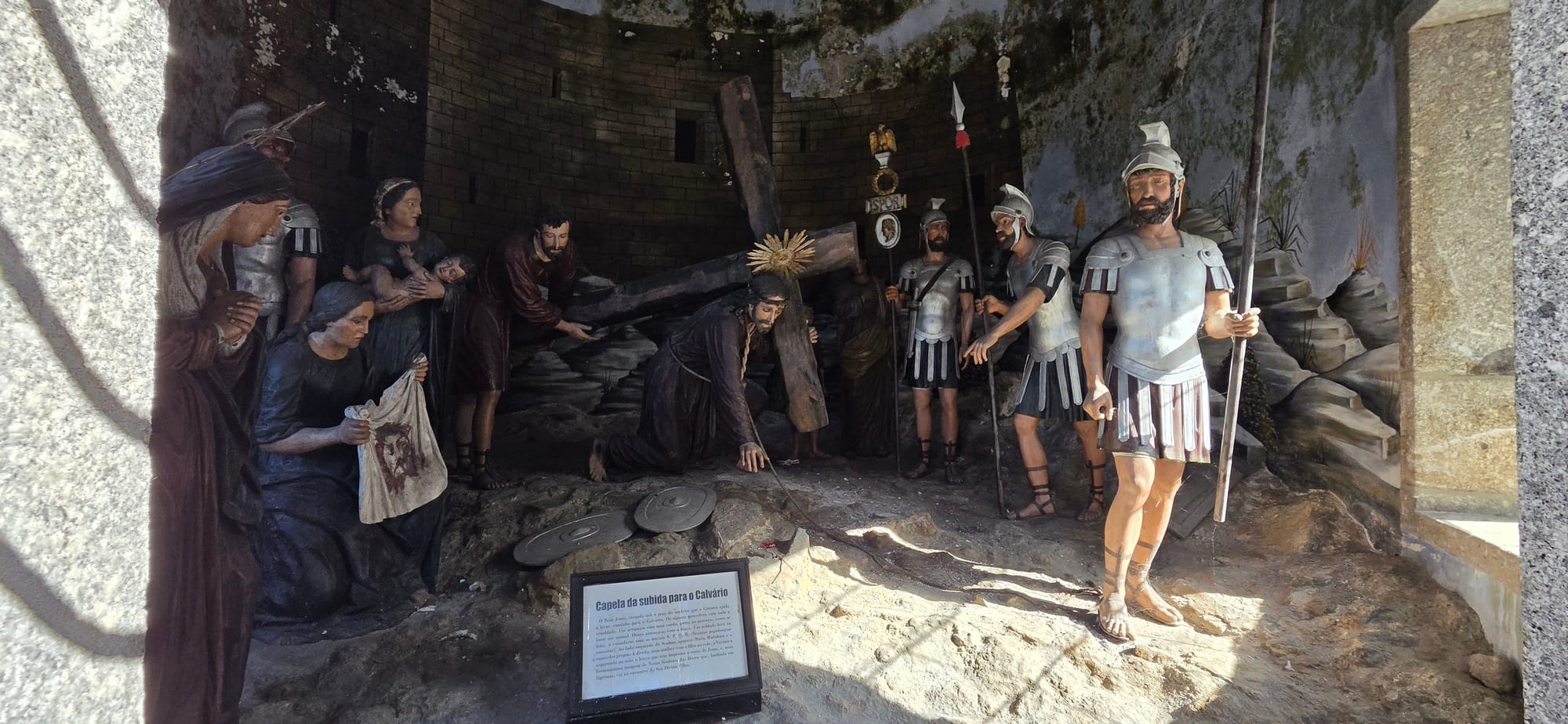
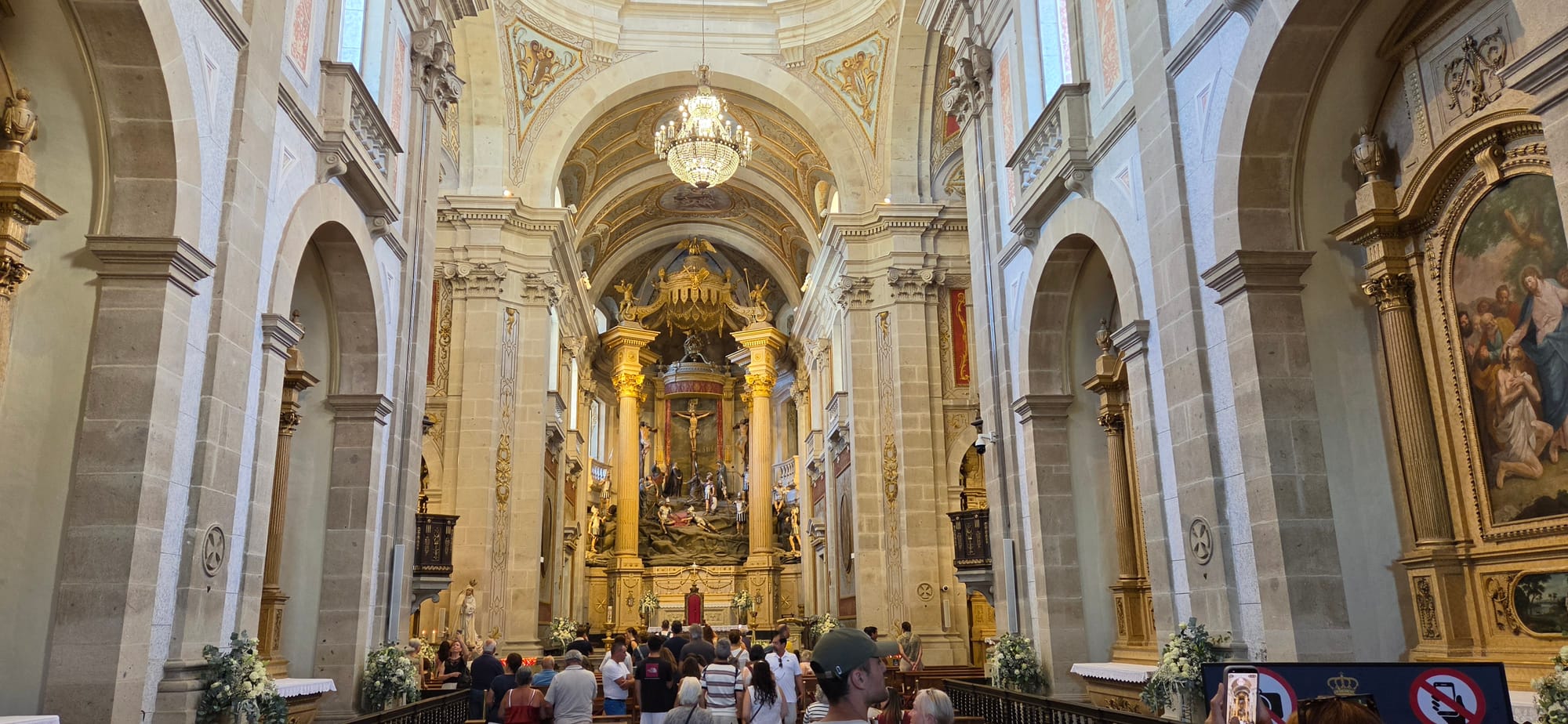
On the way to the park, we stopped at another world heritage site called Bom Jesus do Monte. This is an old Catholic sanctuary that was built in the 1700s (although there was some old activity at this site hundreds of years earlier) and has historically been a Christian pilgrimage site.
The coolest feature are the zigzagging stairs going up to the church. Along the stairs are six separate chapels dedicated to the passion of Christ. The stairwell climbs over 300 feet.
Overall Impressions
After visiting for two weeks, we understand why Portugal is a popular destination. The cities are clean, safe and walkable with great food at very reasonable prices. There are scenic beaches along the coast, and you'll find that most people, especially younger folks, speak decent English which makes it an easy country to navigate.
The only area we didn't see but would have liked to was the Douro Valley. It is supposed to be a nice area and a big wine region, but we didn't have time to see it.
For those of you considering a trip here, we would recommend it!
Looking ahead...
Other than our annual beach trip with friends this month, and a trip back home to Wisconsin for me in November, our travels are most likely done for this year.
While we have made no firm plans for 2027, we are tentatively planning a cross-Atlantic cruise to Europe and possibly a visit to Amsterdam/Belgium and a return to Milan, Italy to visit friends. There will most likely be other trips planned, but for now that's it.
Thanks again for following us, and we sincerely hope we are providing travel insight to some locations you may be considering visiting.
Love and Peace,
Mike and Jen